Mondragón Opens in Álava the Largest Sawmill in Southern Europe to Lead the European Forest Industry
yesterday at 12:58
,Spain
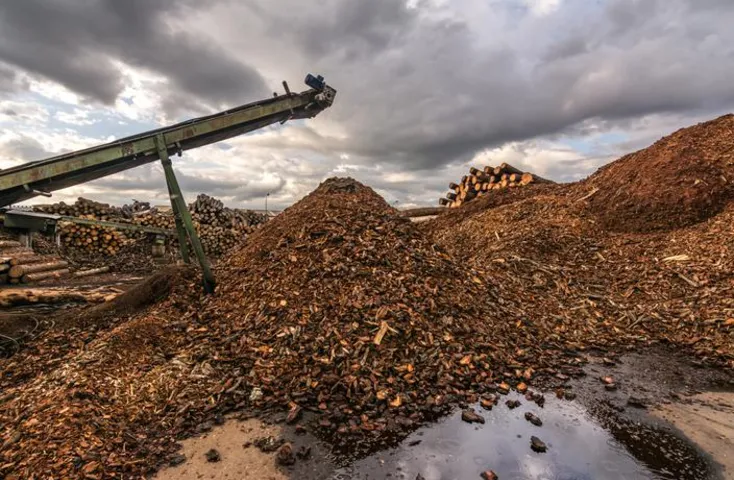
The timber industry in Poland is currently experiencing a severe crisis that threatens the existence of thousands of companies and jobs. The sudden drop in wood supply is the result of several key factors that have converged at the same time, creating a dangerous situation for the entire economic sector. Companies operating in this industry are raising alarms about the risk of bankruptcy, which will not only affect local communities but also the country’s entire economy.
One of the main factors contributing to the current situation is the introduction of a moratorium on wood harvesting by the Ministry of Climate. This decision, set to take effect at the beginning of January 2024, applies to an area of 96,000 hectares of forests located in the Podlasie and Podkarpacie regions. The introduction of the moratorium has elicited mixed reactions from both entrepreneurs and environmentalists.
On one hand, environmental advocates emphasize that such measures are essential for protecting the most valuable forest areas and biodiversity. On the other hand, representatives of the timber industry point to the serious economic consequences that come with restricting access to raw materials. The moratorium will significantly limit the ability to harvest wood, which in turn may lead to price increases for wood products and a decline in the competitiveness of Polish companies on the international market.
Another issue is the lack of adequately prepared alternative plans for raw material management that could mitigate the effects of the moratorium. As a result, many companies face the specter of insolvency and job losses, which will have long-term social impacts.
The decline in wood supply is further exacerbated by decisions made by State Forests (LP). At the end of last year, LP excluded another several hundred thousand hectares of forests from use. These actions stem from efforts to achieve sustainable forest resource management, but they also cause significant restrictions on wood extraction. Estimates indicate a reduction in supply by at least 5 million cubic meters over the next two years.
The lack of access to raw materials forces the importation of wood, which in turn increases production costs and affects the final prices of products. The timber industry, especially small and medium-sized enterprises, is struggling with growing difficulties in maintaining operations in a competitive market environment. The limited supply of wood not only impacts the furniture industry but also construction, paper production, and other wood-based products.
The wood sales offer by State Forests is also becoming a significant issue. Proposals for the second half of 2025, which further restrict the availability of large-dimension oak and pine wood, deepen the industry's problems. The limited availability of high-end raw materials affects the quality and diversity of production, threatening the position of Polish companies in export markets. Delaying supportive measures for the industry could mean that many companies will not survive the coming years without major reorganization and adjustments.