1 Jun 2026
,Germany
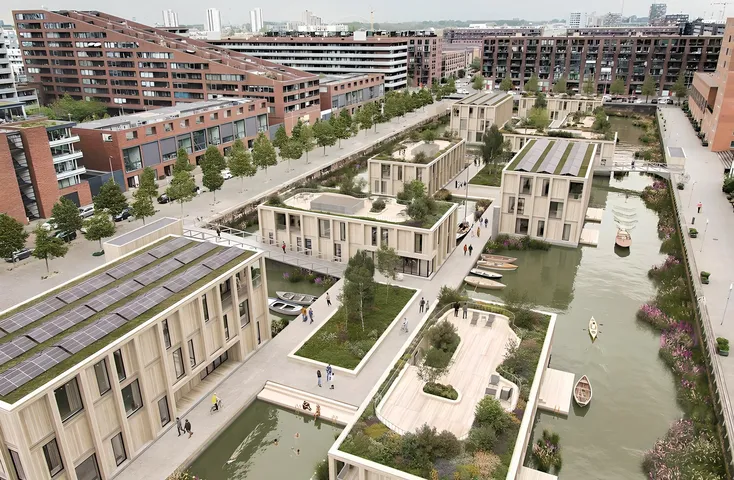
In a bold step toward addressing housing shortages while embracing sustainable living, Rotterdam planners have thrown their weight behind a master plan to develop Europe’s largest floating neighborhood. This exciting initiative, located on a disused dock, aims to blend modern urban planning with environmental conservation through state-of-the-art architectural practices.
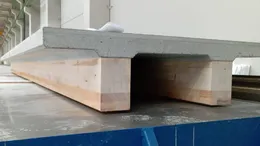
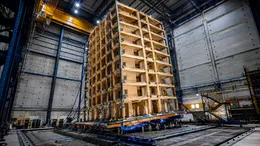
The heart of the project lies in its ambition to revolutionize how urban housing developments are conceived. The floating neighborhood will consist of 100 modular, demountable apartments and townhouses, crafted from cross-laminated timber. This choice of material is not only environmentally friendly but also showcases the project’s commitment to sustainable building practices.
Set to inhabit the Spoorweghaven dock, the plan breathes new life into an underutilized water area, turning it into a bustling residential community. The innovative approach stems from a collaboration between Danish architectural studio MAST and developer BIK Bouw. Their combined vision underpins the potential of floating neighborhoods to redefine sustainable urban living.
This initiative not only represents a progressive architectural concept but also signals how urban environments can coexist with natural water bodies. By utilizing space on water, the project circumvents the limitations of land availability, offering a fresh perspective on urban expansion.
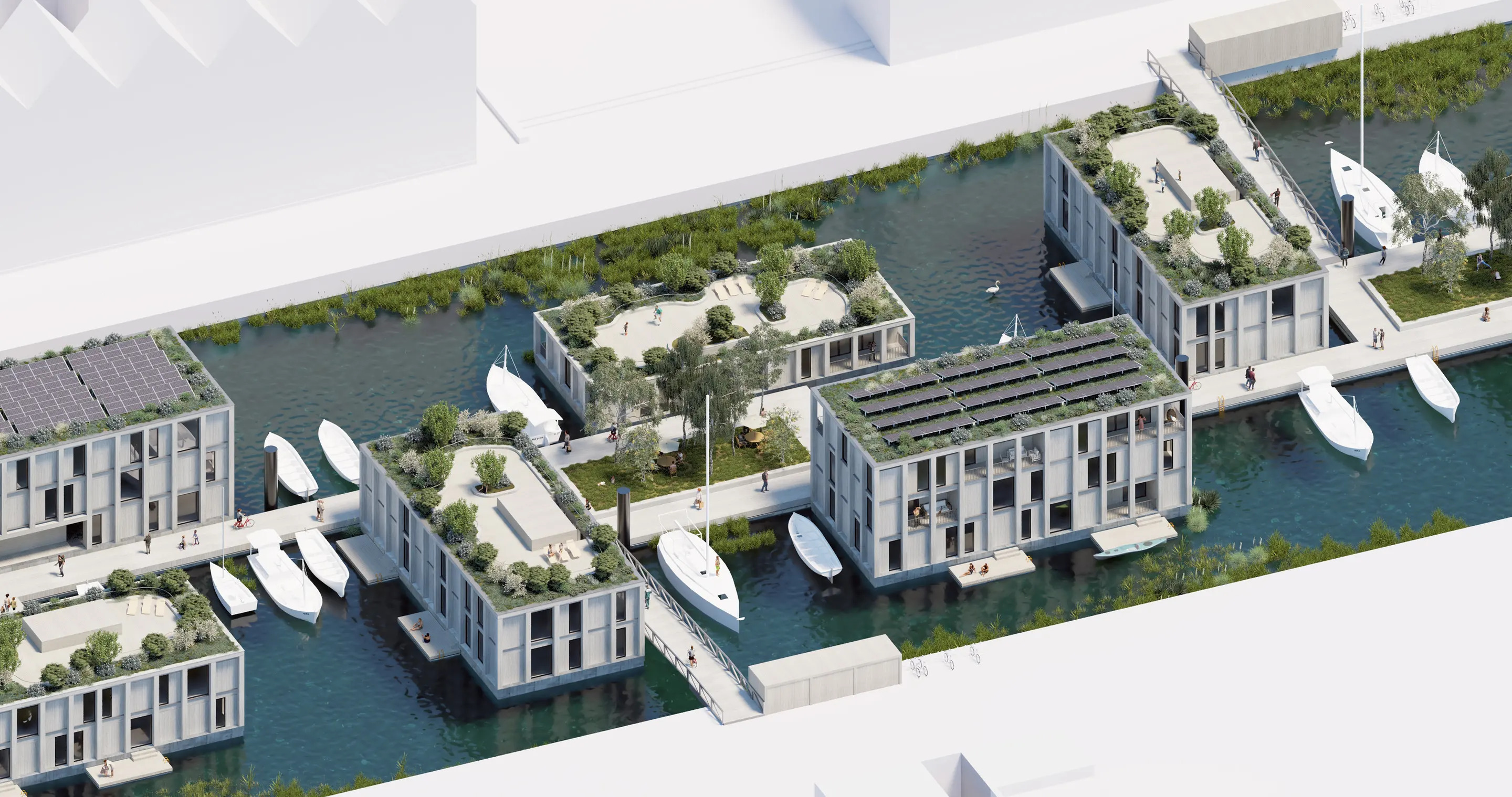
In essence, this floating district underscores a commitment to rethinking urban living, championing modularity and eco-friendliness through a design that promises quick scalability and a reduced carbon footprint.
Central to the project's objectives is its capacity to address the escalating housing crisis in the Netherlands. With a national goal of constructing one million new homes by 2030, Rotterdam's floating neighborhood presents a viable solution that blends necessity with innovation.
As urban populations swell, the pressure on existing infrastructure intensifies, with land-based developments often falling short of sustainability targets. By expanding into aquatic territories, the project not only eases the burden on land resources but also mitigates the environmental impact typically associated with large-scale housing developments.
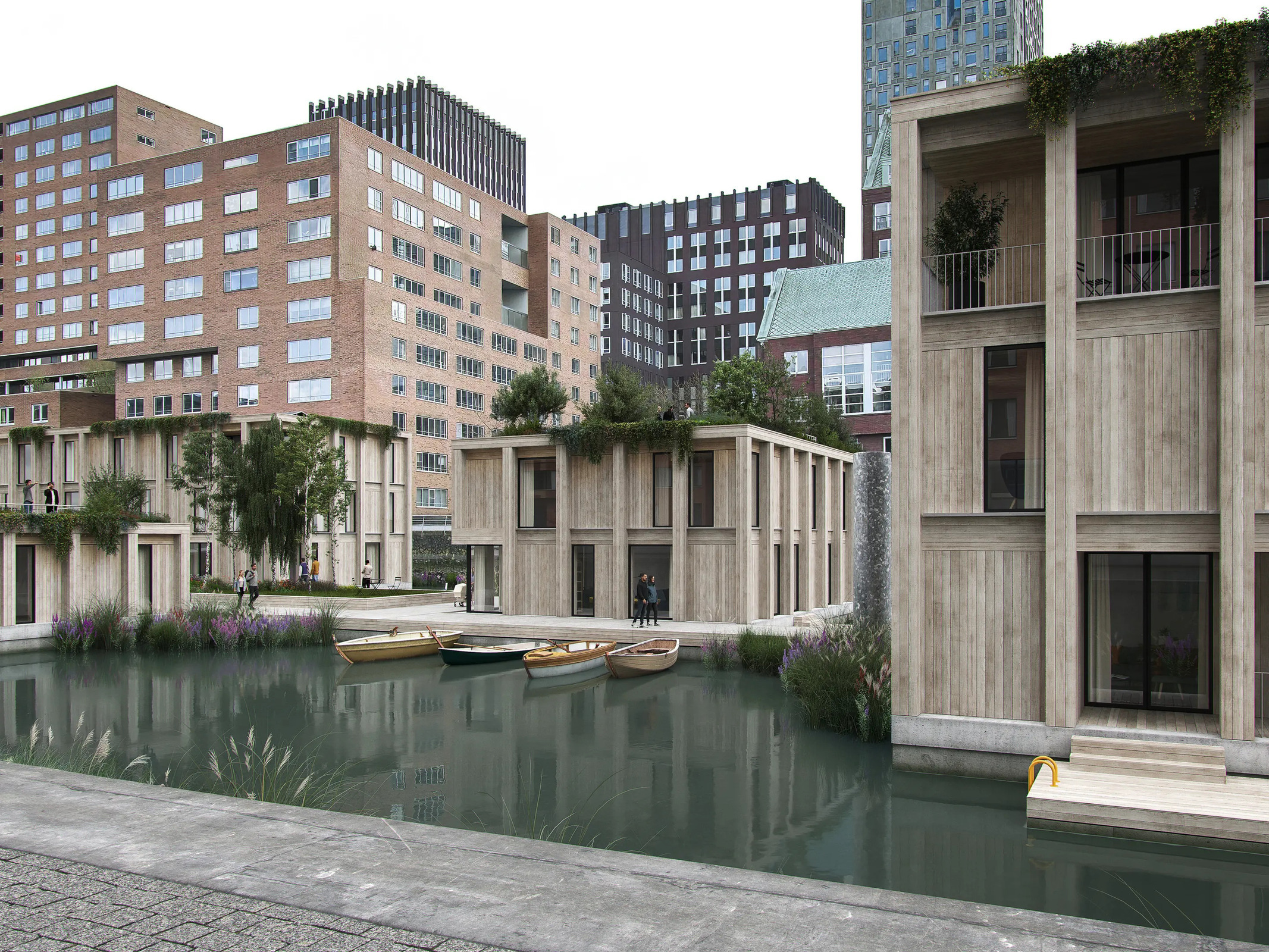
In practice, the creation of modular homes on water offers a versatile housing solution, easily adaptable to changing demographic needs. This adaptability ensures that the neighborhood can expand or contract based on population dynamics, providing a responsive approach to urban planning.
Embracing this fluidity aligns with broader governmental goals to foster housing projects that not only meet quantitative targets but do so with environmental and communal stewardship front of mind.
As one of the most forward-thinking responses to the housing crisis, this floating district exemplifies how alternative urban strategies can yield durable outcomes, blending form and function for the benefit of current and future generations.
The Rotterdam planners’ endorsement of this plan ushers in a new era of sustainable urban development, setting a precedent for future projects across Europe and beyond, where floating communities could become a staple of conscientious urban design.
With its potential to serve as a prototype for scalable, sustainable housing, Rotterdam’s floating neighborhood is poised to illuminate pathways for future urban development, merging environmental concerns with the pressing needs of the housing market.