
yesterday at 09:58
,Poland
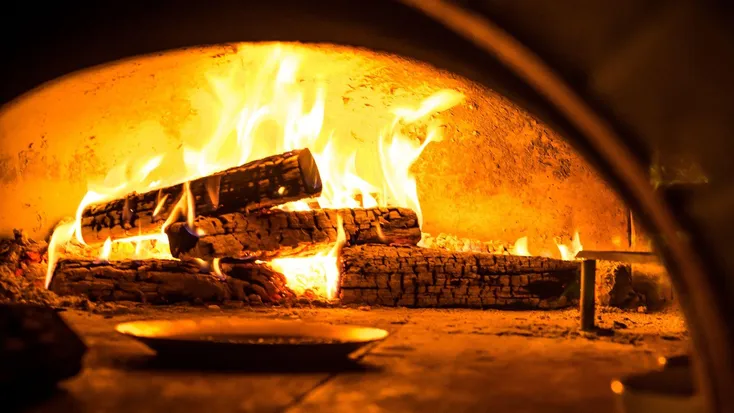
In Poland, new regulations on wood burning have been introduced to protect natural resources and support a circular economy. On September 7, 2025, by decree of the Minister of Climate and Environment, a categorical ban on burning high-quality tree trunks in the energy sector came into effect. The main idea behind this regulation is to redirect valuable raw material to the timber industry instead of burning it in furnaces.
The new regulations represent a significant step toward a circular economy, which aims to maximize resource use and minimize waste. In this context, the ban on burning high-quality wood can bring benefits to both the environment and the timber industry. Traditional approaches to managing natural resources often led to their overexploitation, which had negative consequences for nature and biodiversity.
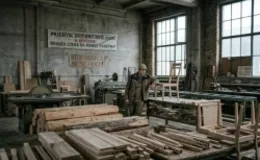
The timber industry, as a key beneficiary of the new regulations, will gain access to high-quality raw material, enabling increased production and sector development. Instead of being burned, wood will be used for the production of furniture, paper, or construction materials, thereby increasing the added value in the production chain. This will also facilitate the development of new wood processing technologies and the emergence of new industries based on renewable resources.
This ban not only supports the timber industry but also promotes more sustainable management of natural resources. Protecting high-quality wood from burning is a step toward preserving forest biodiversity and safeguarding the natural environment. The burning of wood, especially of high quality, has often been criticized by ecologists and nature conservation organizations, as it contributed to the depletion of forest resources.
Under the new regulations, domestic users and combined heat and power plants can now only use wood waste and energy-grade material with limited applications. This initiative requires a change in habits and infrastructure adjustments by both households and large power plants. The ability to use only such materials for energy production means less strain on forest resources and the potential for lower energy costs through the use of cheaper secondary raw materials.
Ultimately, the new regulations contribute to a shift in societal attitudes toward sustainable development. Promoting a circular economy and conscious resource management is crucial in addressing global challenges such as climate change and environmental degradation. The ban on burning high-quality tree trunks is a significant step toward securing the future of our natural resources while enhancing energy and economic efficiency across the entire economy.