

1 Jun 2026
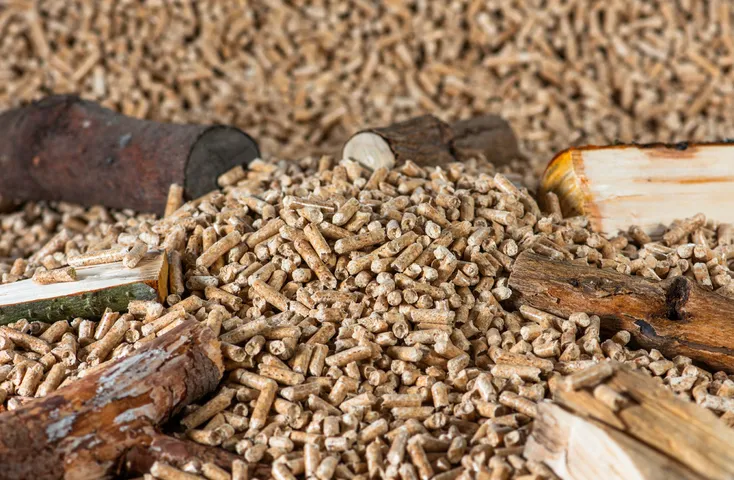
The quantities of pellets arriving at warehouses across Serbia these days sell out quickly. Demand remains high, while production is slowed due to difficulties in sourcing raw materials. Prices currently reach up to 43,000 dinars per ton, though occasionally they can be found at around 38,000 dinars — but such quantities don’t stay in stock for long.
In practice, deliveries are happening, but stocks are measured in hours, not days. Cheaper pellets disappear almost immediately upon arrival, while more expensive quantities remain available a bit longer.
The main reason is slowed production and challenges in sourcing raw materials. Additional pressure comes from weather conditions: bad weather limits work in forests, reduces timber cutting, and directly impacts the supply of pellets.
At the same time, demand shows no signs of waning. Due to the earlier rise in electricity prices, many households have switched to pellet heating and installed appropriate boilers. However, the question of cost-effectiveness is increasingly being raised, as pellets are among the more expensive energy sources this winter.
On the market, prices currently dominate at up to 43,000 dinars per ton. More affordable quantities, around 38,000 dinars, appear sporadically and sell out quickly. Buyers clearly feel this on the ground — many visit multiple warehouses without success, and some purchase pellets in other cities when a better offer becomes available.
According to sellers, such situations have become commonplace: as soon as goods arrive, they are immediately taken, making it difficult for buyers to plan their purchases and find lower prices.
During October and November, demand surged sharply, and domestic production couldn’t fully keep up. In response, imports increased, with more than 36,000 tons of pellets imported into Serbia in November alone.
Market stabilization and a potential reduction in price pressure will depend on weather conditions and the pace of production. If production speeds up and supply becomes more consistent, a slight calming of the market is possible. For now, however, pellets arrive at warehouses — and disappear within a few hours, with prices remaining high.