
The Bureau of Economic Security in Chernivtsi Oblast has announced suspicion against the head of a private enterprise, who is believed to have organized an illegal scheme for exporting timber. During the investigation, it was established that the director of this enterprise entered into a foreign economic contract with a Romanian company, though all details of the interaction raised suspicions among law enforcement.
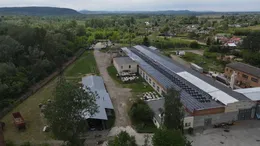
The primary activity of this enterprise is the harvesting and processing of timber. At first glance, there seems to be nothing unusual, but under the guise of legitimate operations, the export of prohibited timber across the border was taking place. The company's head established a complex scheme designed to bypass the ban on exporting certain types of timber from Ukraine.
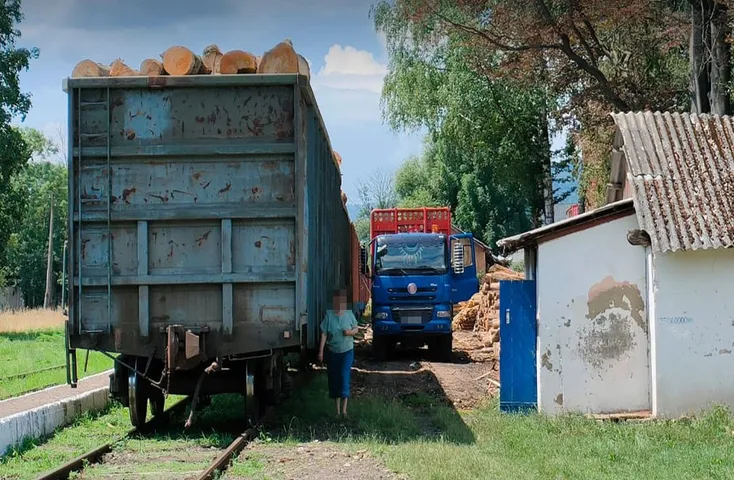
Indeed, in fulfillment of agreements with foreign partners, the suspected party organized the export of timber, including prohibited types, via railway wagons. Expert analysis revealed that the documents listed types of timber that are generally allowed for export, while in reality, the wagons were loaded with timber from the prohibited list.
As investigators note, the structure of the scheme involved several levels of participants and documented steps. This allowed the real volumes and types of exported goods to be concealed through the use of forged certificates and declarations. Additionally, certain customs officials were found to be involved in the case, allegedly turning a blind eye to questionable shipments in exchange for bribes.
It is worth noting that such export frauds have a negative impact not only on the region's economy but also on the environment, contributing to uncontrolled deforestation. Environmental advocates have long warned about the threats associated with the unchecked industrial exploitation of forests, which negatively contributes to climate change, soil erosion, and the loss of biodiversity.
Currently, a comprehensive investigation is underway, aimed at identifying all individuals involved in this shadow activity. The investigation's outcome is expected to hold accountable not only the direct organizers but also other individuals who facilitated the implementation of the scheme.
Thus, this case serves as an indicator of the urgent need to take measures at various levels to ensure economic security and environmental stability in the region. While the investigation continues, experts emphasize the necessity of strengthening border control over vehicles transporting timber, as well as fostering more effective cooperation with international partners to prevent similar offenses in the future.