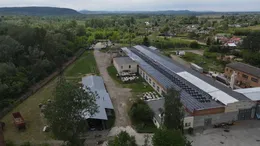

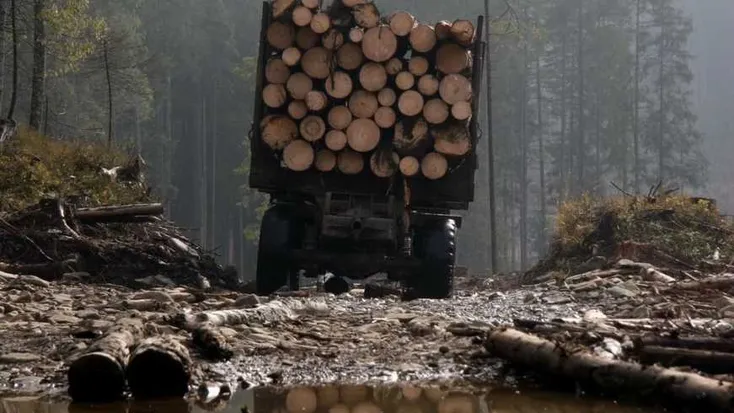
The moratorium on the export of roundwood, introduced in Ukraine several years ago, remains a relevant topic for discussion. The ban on exporting unprocessed timber has helped preserve the country's vital forest resources and stimulate the development of the domestic wood processing industry. Many stakeholders advocate for extending or even strengthening this moratorium, as it serves as a crucial tool for environmental conservation and economic growth.
The introduction of transparent auctions for timber sales is another important step toward enhancing market efficiency and reducing corruption risks. Previously, opaque trading schemes allowed private companies to gain significant profits through unbalanced pricing and loopholes. Transparent auctions will ensure fair competition conditions and enable small and medium-sized enterprises to operate on equal footing with major market players.
Allowing open access to auctions for all interested parties, clearly defining participation criteria, and maintaining control over the process should guarantee that every participant has an equal chance of winning. Alongside the development of a competitive environment, this can significantly improve the quality of products and lower prices for end consumers. Reducing corruption risks through increased procedural transparency will also positively impact the financial stability of the sector and strengthen trust in government institutions.
Implementing such changes may require time and significant efforts from state authorities, but success in this area could serve as a model for other sectors of the economy where transparency issues also persist.
The new draft law No. 13227, presented by a group of parliamentarians, aims to address existing challenges in regulating the timber market. Following the failure of a previous draft intended to update the legislative framework in this area, draft law No. 13227 promises to introduce the necessary changes for the long-term development of the industry.
One of the key objectives of the draft law is to simplify the regulatory framework and enhance the efficiency of forest resource management. It proposes to improve existing mechanisms for controlling deforestation, which will help prevent illegal activities and ensure the preservation of natural wealth for future generations. Additionally, an important step toward reform will be the enhancement of the legal framework to encourage investments in the wood processing industry, fostering its faster growth.
However, achieving optimal results also requires strengthening public-private partnerships in this sector. Collaboration with international organizations, sharing experiences, and attracting foreign investments can help Ukraine succeed in reforming the forestry sector. Only joint efforts can ensure sustainable development and improve the country's environmental condition.
Thus, the relevance of developing and adopting new legislative initiatives in the field of forestry is critical for Ukraine. Learning from past mistakes, adopting current global practices, and uniting efforts can become significant factors in achieving the desired transformations.