2 Jun 2026
,Ukraine
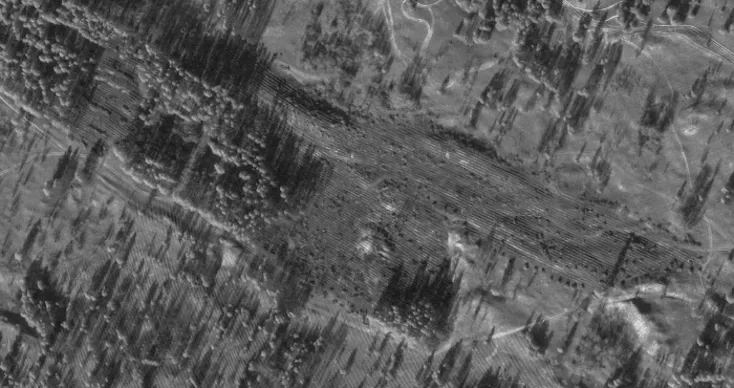
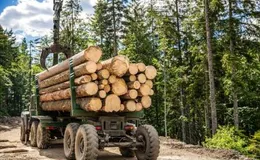
Since Russia's invasion, mass deforestation has been observed in the occupied territories of Ukraine. This activity threatens not only local ecology but also global efforts to conserve natural resources. Images provided by Maxar Technologies clearly show that forest cover in these areas has undergone significant changes over the past year.
Particular attention is focused on the Tavriysky Forest in the Kherson region, where significant logging is taking place. While the reasons for this process may vary, experts suggest that the deforestation is concentrated in areas with more valuable tree species.
Renowned British forestry consultant Andrew Gild analyzes satellite imagery and notes that these photos indicate deliberate logging activities aimed at obtaining valuable timber. This suggests a possible attempt to quickly gain economic benefits by exploiting resources in the occupied territories.
Such actions could cause long-term damage to both the local ecosystem and the global climate. Forests play a critical role in preserving biodiversity, regulating climate, and maintaining ecological balance. Mass destruction of timber may lead to soil erosion, reduced natural water retention, and a decline in species that depend on these forests.
These deforestation processes not only deplete vital natural resources but also violate international environmental agreements. According to expert assessments, such actions could have irreversible consequences if timely measures are not taken to stop them.
Under these circumstances, it is crucial to draw international attention and ensure oversight of activities occurring in the occupied territories. Such intervention could help preserve ecological balance in the region and develop strategies for restoring natural resources after the conflict ends.