1 Jun 2026
,Germany
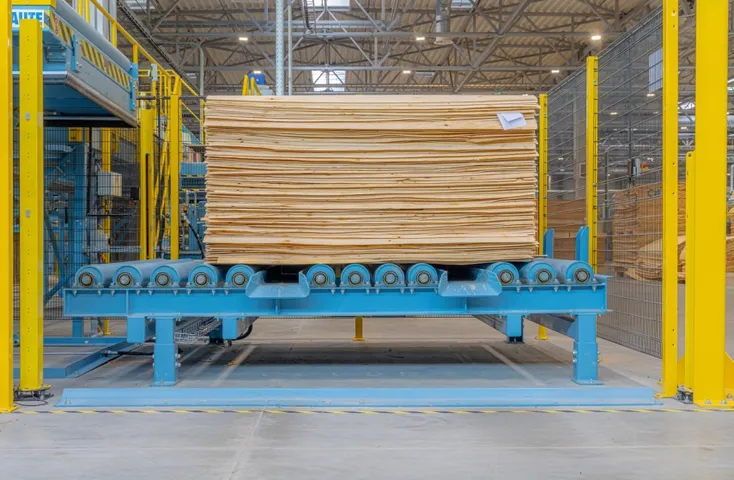
Laminated Veneer Lumber (LVL) is rapidly gaining traction as a preferred construction material in Lithuania, especially for its promising role as an alternative to traditional materials like steel and concrete. Its emergence in the construction and manufacturing sectors marks a significant shift towards innovative and sustainable building practices. LVL is not just transforming how structures like wind turbine towers, apartment buildings, and furniture are built but also aligning with contemporary demands for eco-friendly construction solutions.
LVL's increasing popularity in Lithuania can be attributed to its versatility and robust sustainability credentials. Known for using thin wood veneers bonded together under heat and pressure, LVL offers a reliable and strong alternative to the conventional construction materials. This engineered wood product boasts enhanced strength and stability benefits, which are crucial for modern construction needs.
The material's application in constructing wind turbine towers is a particularly noteworthy development. As the world pivots towards greener energy solutions, LVL provides an eco-friendly method to support the infrastructure necessary for renewable energy. Similarly, in the residential sector, LVL's utilization in apartment building construction is helping foster more sustainable living spaces.
Furniture manufacturing is another arena where LVL's benefits are becoming apparent. As consumers lean towards sustainable living practices, furniture companies are finding value in using LVL, which not only reduces the carbon footprint but also offers a beautiful, earthy aesthetic that's in high demand among environmentally-conscious consumers.
The sustainability credentials of LVL are undeniable. Its use aligns perfectly with the global trend towards reducing reliance on high-carbon materials like concrete and steel. LVL's production and usage encapsulate a lower environmental impact, aiding in the push for reducing global carbon emissions from construction activities.
In addition, its lightweight nature simplifies transportation and installation processes, further contributing to decreased carbon emissions by necessitating less energy in logistics and assembly stages.
VMG Lignum, an innovative company, is playing a vital role in promoting the use of LVL across various sectors in Lithuania. By developing systems and methodologies that capitalize on LVL’s beneficial properties, VMG Lignum is positioning itself not just as a key player in construction but also in energy and furniture sectors.
The company’s initiatives are crucial in demystifying LVL's potential and encouraging its widespread adoption. Through their focused efforts, VMG Lignum is successfully dispelling myths about LVL's reliability and showcasing its strength, durability, and environmental benefits to potential stakeholders and partners.
Despite its extensive use in Western countries for over five decades, LVL remains a relatively new entity in Lithuania. However, this scenario is steadily changing. As the stereotypes about its novelty are dismantled, Lithuanian industries are increasingly realizing the potential benefits of LVL in their respective fields.
Within the local context, LVL is becoming increasingly appreciated for its innovative nature and its ability to meet the accelerating demand for sustainable building products. With this growing recognition, the Lithuanian market is now opening up more to the possibilities that LVL brings, bridging the gap between traditional reluctance and modern adaptation of new technologies.
The prospects for LVL in Lithuania are promising. As its advantages become more widely acknowledged, the material is primed for broader integration within various industries. This shift represents not only a step forward in construction innovation but also a significant advancement in sustainable building practices in Lithuania.
As Lithuania embraces LVL for its material innovation and environmental benefits, it is likely that this trend will continue to gain momentum, driving further advancements in the construction, manufacturing, and energy sectors and setting a benchmark for other countries to follow.