1 Jun 2026
,France
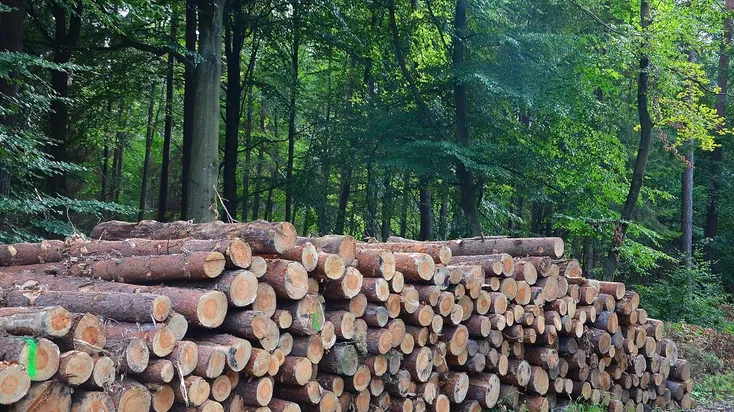
As temperatures drop, heating is turned back on, and many households in France are turning to wood for their stoves and fireplaces. According to Ademe, around 7.4 million households were using wood for heating in 2025, up from 5.9 million in 1999. The popularity of wood is due to both the desire to save money and high energy prices. However, the question often arises: is it possible to collect dead wood directly from the forest and use it to heat for free?
With the rising cost of living and energy, some people see the forest as a potential source of free firewood. However, the price of wood has also risen, and attempts to collect wood illegally are not only illegal, but also environmentally dangerous.
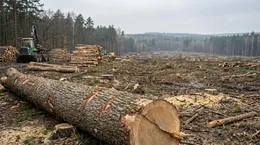
“About 75% of French forests are private,” owned by around 3.3 million owners. Walking through private forests without permission is strictly prohibited, and collecting even small branches is considered theft.
According to Article 547 of the Civil Code, wood in a private forest belongs to the owner and its collection without permission is theft. Violators risk serious sanctions: Article 311-2 of the Criminal Code provides for up to 3 years in prison and a fine of up to 45,000 euros.
However, the law allows the owner to be asked to collect a small amount of wood, although the owner is not obliged to agree.
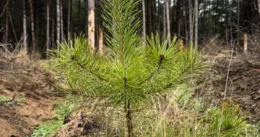
Dead wood plays a key role in biodiversity. According to the National Forestry Administration, it provides shelter for local fauna and enriches the soil as it decomposes. At least 25% of the species living in the forest depend on dead wood, so its collection is harmful to the ecosystem.
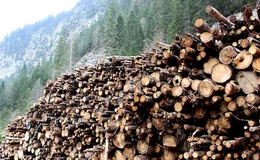
Wood collection is also prohibited in public forests. The piles of logs that can be seen in the forest are usually reserved for loggers or heating companies. Their unauthorized use is also considered theft.
Despite the desire to reduce heating costs, the “free” use of wood from the forest is not legal and is harmful to nature. It is important to be careful between following the law and protecting biodiversity: it is better to choose legal and affordable alternatives to survive the winter in warmth and without the risk of breaking the law.