
yesterday at 09:58
,Poland
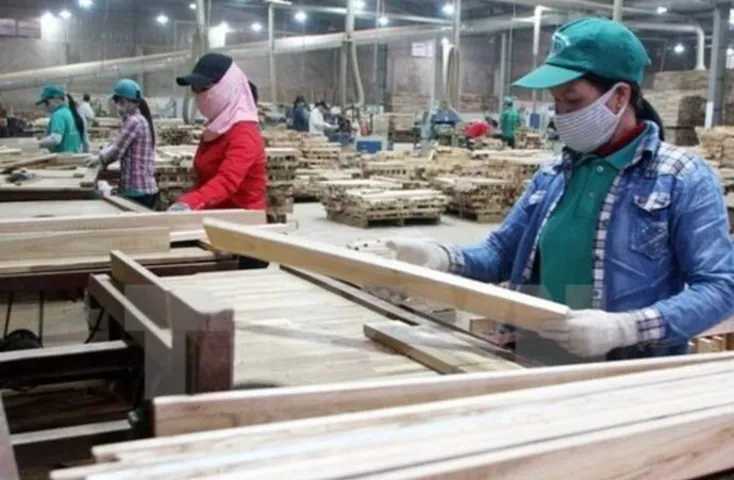
Facing recent American tariff decisions, the Vietnamese wood industry is demonstrating remarkable adaptability by redirecting its strategies to maintain growth. The announcement by US President Donald Trump on September 25 to impose tariffs of up to 50% on kitchen cabinets, bathroom furniture, and certain other items starting October 1 represents a major challenge for Vietnamese exporters. These new measures will heavily impact costs for American consumers, as well as the profits of Vietnamese suppliers, highlighting an urgent need for responsiveness on their part.
The United States is a key market for Vietnam's wood sector, making the new tariff measures particularly critical. To address this situation, Vietnamese wood companies are being pushed to actively seek new business opportunities abroad. This shift toward market diversification is becoming essential not only to mitigate the immediate impacts of these tariffs but also to ensure sustainable long-term growth.
In this context, Canada emerges as a market of choice. Already among the top three wood exporters to this country, Vietnam sees significant growth potential in the Canadian market. The Vietnam Timber and Forest Products Association (VIFOREST) notes a growing interest among Canadian consumers in Vietnamese furniture, a trend facilitated by their diverse tastes and demand for quality products at competitive prices.
Canada's main imports from Vietnam include wooden-framed chairs as well as living room, dining room, and bedroom furniture. These products, valued for their design and favorable quality-price ratio, could see even greater demand in this new trade context.
This interest from the Canadian market offers a valuable escape route for Vietnam. Beyond strengthening bilateral trade relations, this trend encourages innovation and diversification of offerings. This could eventually lead to stabilized trade flows and a reduced dependence on the United States.
In conclusion, while the imposition of US tariffs may temporarily disrupt the landscape for Vietnamese wood exporters, initiatives to explore and penetrate other markets like Canada demonstrate the resilience and adaptability inherent in Vietnam’s wood sector. This strategy not only strengthens Vietnam’s presence on the international stage but also ensures sustainable growth for the industry despite current economic turbulence.