26 May 2026
,Latvia
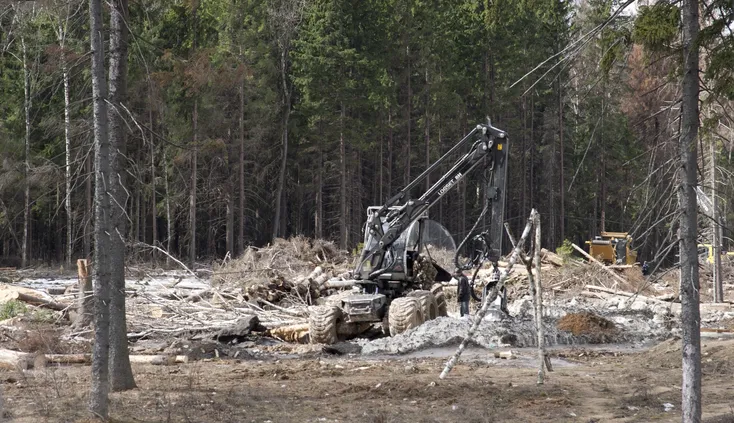
In Latvia, the issue of increasing forest logging quotas is being actively discussed. The proposal suggests raising the annual logging volume from 7 to 9 million cubic meters, sparking numerous debates among various segments of society. Specifically, the government sees this as a way to boost state budget revenues, but environmentalists and the public express serious concerns about the ecological consequences.
The idea of increasing forest logging is primarily driven by economic considerations. Additional revenue from timber sales amid economic uncertainty could make a significant contribution to the country’s budget, especially during these challenging times. Representatives of the Ministry of Finance argue that this decision would strengthen the national economy and provide funding for social programs.
However, this proposal faces opposition from environmental organizations. They warn of the catastrophic consequences that could result from intensive logging and the disruption of ecosystems. Forests in Latvia are home to numerous species of fauna and flora, and logging without adhering to proper standards and regulations could cause irreparable damage to biodiversity.
In light of these factors, experts insist on the need for additional research to assess the real consequences of such a step. They call for a cautious approach that would take into account long-term ecological risks and maintain a healthy balance between economic development and the preservation of natural resources.
Currently, debates on this issue continue. Some see increased logging as an opportunity for economic growth, while others advocate for the protection of ecosystem values, the underestimation of which could lead to significant losses for future generations. The decision made by the government must consider all these aspects and align with ecological and social responsibility.
The current situation requires all stakeholders to be open to dialogue and to seek compromise solutions that can ensure Latvia’s sustainable development, minimizing risks to the environment and preserving its natural heritage. It is also necessary to develop and implement effective control and monitoring mechanisms for logging operations to guarantee compliance with all environmental standards and norms.