
yesterday at 12:29
,Germany
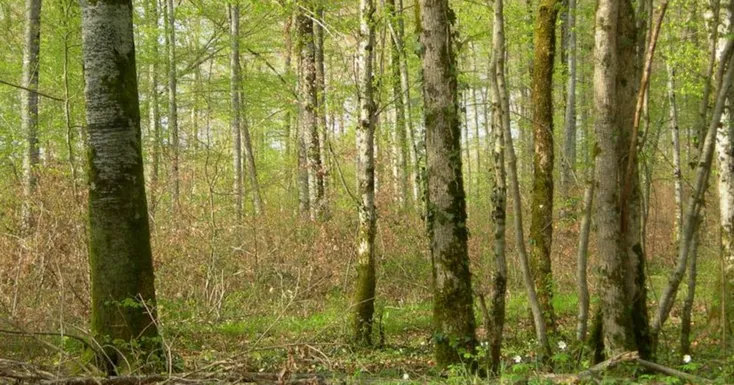
France has one of the largest forest resources in Europe: trees cover a third of its territory—more than 17.5 million hectares. But the paradox is that the forestry industry is losing money for the country. It accounts for about a tenth of France's trade deficit.
To understand the reasons for this discrepancy, Senators Catherine Loiseau and Serge Merieux initiated a two-year fact-finding mission. Over two months, they listened to more than 60 industry representatives, from foresters to wood producers. The result was a detailed report with 24 proposals to give the forestry industry a second wind.
The main question in the report is simple: how to bring wood back into French industry, especially construction? The authors emphasize that the use of wood in architecture and residential construction could be a powerful driver for the entire economy. It is the material of the future: renewable, environmentally friendly, and capable of reducing CO₂ emissions.
However, senators warn that demand in the construction sector is declining. Without urgent action, the industry risks losing even more ground.
The recommendations cover all links in the production chain — from forest management to the promotion of handicrafts. The goal is to create a holistic, modern, and profitable ecosystem. This involves upgrading technologies, supporting small producers, investing in innovation, and sustainable forest management.
The Senate Economic Commission has already endorsed the report, but its authors speak of “political paralysis.” The lack of government determination is hindering any change. Without political will, even the best proposals will remain on paper.
As an example, senators cite Austria, a country that has been able to turn its forestry potential into a competitive advantage. In their opinion, France needs an equally ambitious strategy. And not only for timber exports, but also for the development of its own production.
The forestry sector could become a symbol of France's “green economy.” But to achieve this, the state, business, and local communities need to join forces. The Senate report has already set the direction. Now it all depends on whether these 24 recommendations will be turned into real action.