2 Jun 2026
,Ukraine
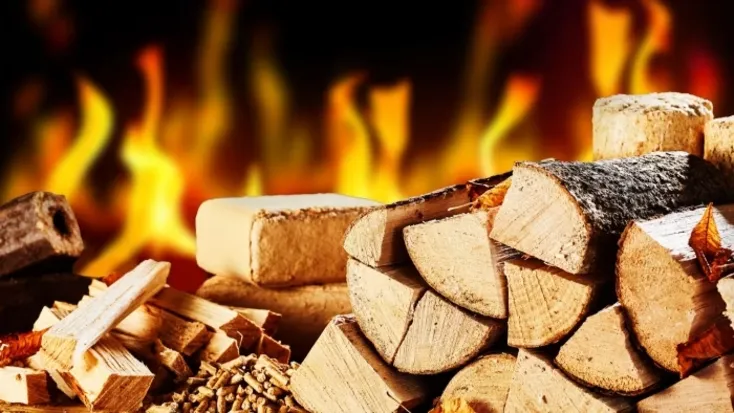
How to choose the best fuel for heating a stove, fireplace, or boiler — firewood or fuel briquettes? This question concerns many Ukrainians, especially given the rising costs of energy resources. The choice is indeed not straightforward: both options have their advantages, disadvantages, and varying economic feasibility depending on the type of heating system, region, and availability of resources.
The most important characteristic of any fuel is its heat output — the amount of heat it releases during combustion. This indicator directly depends on moisture content: the less water the fuel contains, the more energy it provides. For comparison, dry firewood (with about 20% moisture) has a heat output of approximately 3.5–4.5 kW·h/kg, while fuel briquettes can reach up to 5.0–5.5 kW·h/kg. This means that less briquettes are needed to produce the same amount of heat.
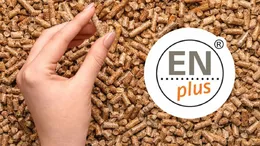
Fuel briquettes, also known as Euro-wood, are made by compressing sawdust, wood chips, straw, or other plant waste under high pressure without the addition of chemical additives. This makes them environmentally friendly, ensures even combustion, and leaves minimal ash (usually around 1–2%).
Interesting fact: the first wood briquettes appeared in Europe over 70 years ago when woodworking companies sought ways to utilize production waste. Today, in many countries like Germany, Sweden, and Poland, they have become the primary type of biofuel for private households.
In addition to high efficiency, briquettes have another significant advantage — compactness. One cubic meter of briquettes can replace about 1.5–2 cubic meters of firewood. They are easy to transport, do not require drying, and can be stored even in small spaces.
However, the cost should also be considered. The price of briquettes is generally higher than that of firewood, but due to their greater heat output and efficient combustion, they often prove to be more cost-effective in the long run.
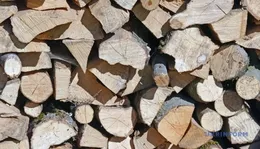
Firewood remains the most common type of fuel in Ukraine, especially in rural areas. It is a natural, familiar, and accessible option. Moreover, firewood creates an atmosphere of home comfort that is hard to replicate with any other type of fuel — the crackling of logs in a fireplace has a truly therapeutic effect.
However, firewood also has its drawbacks. Wet firewood (with moisture content over 30%) produces less heat, generates more smoke, soot, and creosote, which can reduce the efficiency of a boiler or fireplace. Such firewood needs to be dried for at least 6–12 months in a well-ventilated area protected from rain.
By the way, not all types of wood are equal in quality. Oak, hornbeam, beech, and ash burn best, while birch, pine, and alder perform slightly worse. For example, 1 cubic meter of oak firewood can provide 30% more heat than the same amount of pine.
Both types of fuel are renewable energy sources, but from an environmental perspective, briquettes have a certain advantage. They are made from waste materials, do not require additional tree felling, and release fewer harmful substances during combustion. Additionally, their ash can be used as a natural fertilizer for gardens.
If convenience, cleanliness, and high efficiency are important to you, then fuel briquettes are the best option. They burn longer, provide more heat, and do not require special storage conditions.
If price and availability are the main factors, or if you have your own sources of wood, firewood remains an economically viable solution, although it requires more care and space.
The choice between firewood and briquettes is a balance between tradition and modernity, cost and efficiency, comfort and effort. The best decision is the one that takes into account your specific needs, living conditions, and type of heating system.