
Italy confirms its leading position in Europe in the circular economy of wooden packaging. In 2025 the recycling rate reached 69.86%, with a growth of two percentage points compared to the previous year, far exceeding the target set by the European Union at 30% by 2030. The data were presented at the conference The Value of Wood, promoted by Rilegno at the Triennale di Milano, with the participation of institutions, companies, academic representatives and the design community.
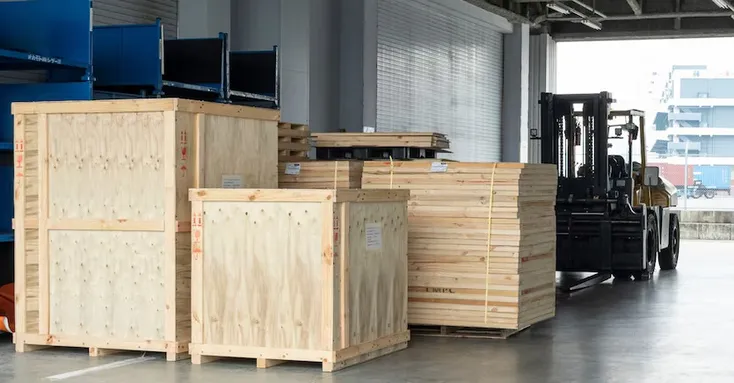
The amount placed on the market exceeded 3.5 million tonnes, recording a 3.7% increase, driven in particular by the spread of regenerated pallets. Wood sent for recovery approached 1.8 million tonnes, with significant growth in activities in Central and Southern Italy, signaling a more widespread territorial expansion of the supply chain.
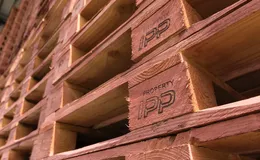
The Rilegno system operates through 412 collection platforms, 15 recycling plants and 1,904 member companies, managing over 98,000 transports. Pallet regeneration remains a cornerstone of the system: more than one million tonnes recovered correspond to over 70 million units reintroduced to the market, turning waste into a concrete resource for industry and logistics.
«An efficient recycling system represents a guarantee of availability and continuity» — Nicola Semeraro, Rilegno
Semeraro highlighted how the 2025 results confirm the strategic value of managing the reuse and end-of-life of wood, capable of delivering both environmental and economic benefits. «Rilegno considers the care of wood a responsibility», he added, recalling the goal of regenerating it intelligently, valorizing its potential and reducing waste, thereby helping to contain emissions linked to climate change.
The conference also presented research conducted by Rilegno in collaboration with SDA Bocconi, which analyzed the perception of wood among a sample of 40 companies, examining its perceived value from environmental, economic and operational perspectives compared to other packaging materials.
The results reveal a nuanced picture. 70% of companies consider wood more sustainable than alternative materials, appreciating its limited environmental impact, aesthetics, corporate image and ease of disposal. More than half of the sample stated they have sustainability-related tools, although these are often not structured. However, the value of wood throughout its entire life cycle is not yet fully understood: the material is associated mainly with naturalness and, to a lesser extent, renewability.
Cost remains the main perceived criticality, along with regulatory and logistical complexity, weight and bulk. Wooden packaging is used by 70% of the sample, but the pallet is often seen as a mere logistical tool rather than an element that can be valorized within ESG strategies. Material choices remain driven primarily by functional and economic criteria: only 22% of companies indicate environmental impact as a priority criterion.
It is precisely on this point that the research highlights the most significant gap: 75% of respondents consider sustainability a strategic element, yet only 13% use wood as a communication lever. The lack of tools to measure environmental performance limits the ability to translate a positive perception into credible and verifiable communication. 77% of companies indicate the usefulness of practical support — guidelines, labels, standardized formats — pointing to an operational rather than cultural barrier.
According to the research authors, the challenge is to transform the positive perception of wood into a measurable and communicable competitive advantage across the entire supply chain, fully integrating the material into corporate strategies linked to sustainable development goals, from climate action to responsible consumption and ecosystem protection.