
yesterday at 12:29
,Germany
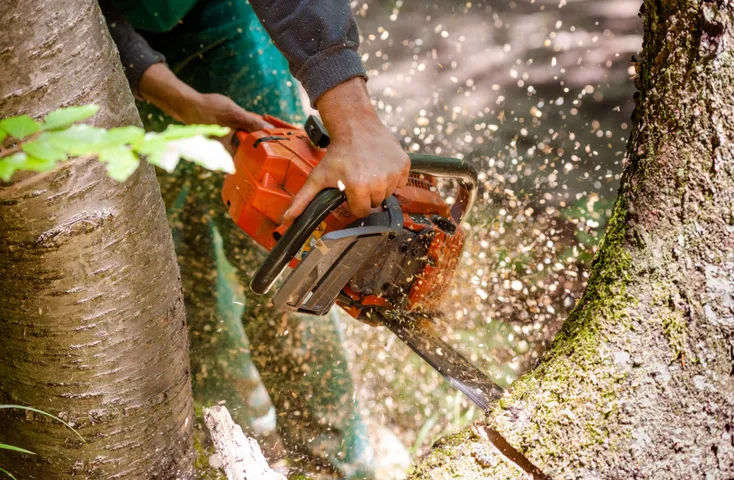
Timber harvesting in Bulgaria in 2025 reached a record low, according to the latest data from the Executive Agency for Forests. According to the indicator “transported timber from temporary storage”, the implementation of forestry plans is about 80% of the planned volume. For comparison, in 2018 — the last year of full implementation of the plans — the volumes were about 30% higher.
This dynamics did not come as a surprise to industry specialists. According to their estimates, the low level of harvesting in 2025 is not a temporary decline, but a manifestation of a long-term trend associated with forest management problems and the deterioration of their general condition.
One of the key reasons, experts call the reduction in systematic care of forest stands in recent years. This leads to a deterioration in the sanitary condition of forests and an increase in the risk of forest fires. In many regions, dry and fallen trees are accumulating, which creates the prerequisites for emergency situations and large-scale fires. In parallel, aging and drying of saplings and coniferous crops are observed, and incidents caused by falling trees are also recorded. According to critics, ignoring the natural life cycle of forests - both due to a formal ecological approach and due to the lack of proper economic care - can have serious environmental and social consequences.
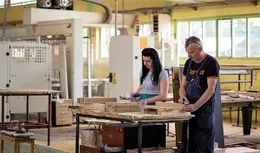
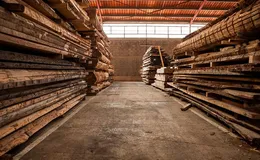
The reduction in the volume of harvesting is already having a tangible economic effect. The volume of wood processing is decreasing, some woodworking enterprises are forced to reduce production or cease operations. This is accompanied by bankruptcies and job losses, especially in mountainous and semi-mountainous regions. According to industry estimates, more than 67 thousand people are employed in forestry and the forest industry in Bulgaria, and the sector itself generates about 3% of the gross domestic product within the bioeconomy.
Business representatives insist on the need for more active and scientifically based forest management. This involves the use of integrated forestry practices - including care felling, young plantations and afforestation - aimed at the long-term sustainability of forest ecosystems. The importance of considering wood as a renewable resource and its cascading use in accordance with the European Forest Strategy until 2030 is particularly emphasized.
Against this background, the indicators of the processing industry indicate a restrained dynamics. In 2024, the Bulgarian furniture industry produced products worth approximately EUR 535 million, which is below the peak values of 2021. The total turnover of the industry, including the production of mattresses, is about EUR 600 million. The largest share in the production structure is occupied by furniture made of solid wood and wood-based materials (27.6%), followed by seating furniture with wooden frames (13%) and mattresses (8.6%).
Bulgaria ranks 56th in the world and 26th in Europe in terms of production, and 40th and 23rd in terms of exports, respectively. Exports remain the industry’s strongest asset, supporting its competitiveness in international markets.
The combination of low harvest volumes, forest degradation and increasing pressure on business poses serious environmental and economic risks for the sector. A key question remains: how to find a sustainable balance between forest conservation and active, responsible and science-based management.