

1 Jun 2026
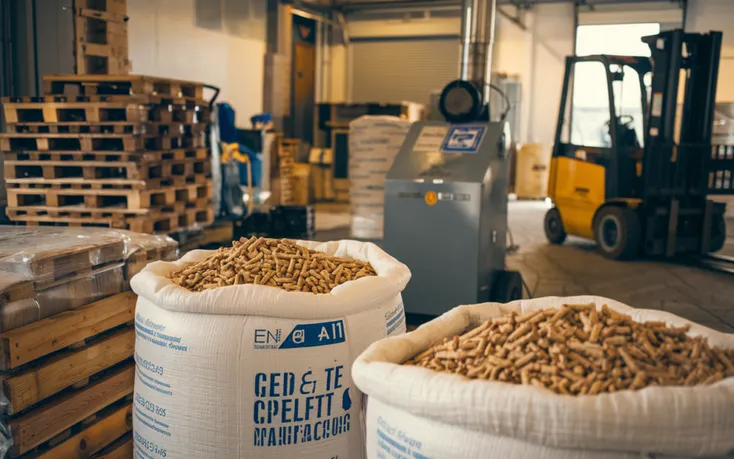
Wood pellet prices in Latvia have reached a new high — for households, they have approached 240 euros per ton excluding value-added tax (VAT). This heating season, prices have risen by approximately 30 euros per ton, and market participants consider the increase difficult to prevent.
The main reason for the price surge is a raw material shortage in Germany and Austria, where pellet production has declined. Traders are increasingly seeking supplies from Latvia, and the growing export demand directly competes with local consumption, driving up prices in the domestic market.
The situation in Central Europe is further worsened by climate change. The spread of bark beetles has reduced the availability of spruce sawlogs, which in turn limits the supply of wood chips — the primary raw material for pellets. Additional impact comes from changes in international trade flows, including the effects of U.S. tariffs.
In Latvia, demand for pellets is increasing, as households have depleted the reserves purchased during the pandemic. The reduced VAT rate helps mitigate the final price, but it cannot fully offset the pressure from external markets.
Latvia produces 1.7–2 million tons of pellets annually, while local consumption reaches 150,000–200,000 tons, with the majority of production being exported. Price dynamics are also influenced by seasonality, weather conditions, and electricity prices.
In retail, premium-class pellets in 15 kg bags cost around 234 euros per pallet, while industrial pellets in bulk form are priced at about 218 euros per ton. A sharp price jump is not forecasted, though short-term fluctuations remain possible. Experts urge households not to delay purchasing fuel, especially as colder weather approaches.