21 May 2026
,Ukraine

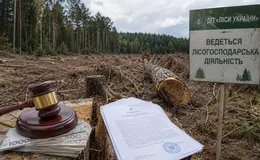
The European Union has decided to postpone the deforestation regulation by another year, announced Jessika Roswall, the EU Commissioner for the Environment. This decision comes in response to growing concerns about the functionality of the system intended to accompany the regulation. The adjustment of the rules, originally planned for the end of 2024, has thus been delayed to the end of 2025. This postponement was supported not only by critical voices from the business sector and member states, including the Czech Republic, but also by some of the EU's trade partners.
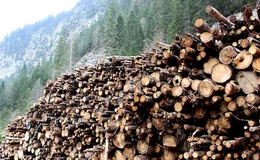
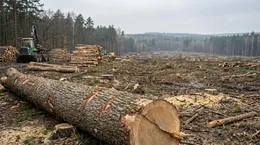
The original plan of the European Union represented a significant change in the regulation of products linked to deforestation. These include, for example, cattle, cocoa, coffee, palm oil, soy, timber, and rubber. Under the proposal, sellers of these products would need to ensure that their goods meet the established deforestation standards before being introduced to the EU market. The regulation primarily aimed to prevent further deforestation and protect global forests from increasing environmental threats.
However, the new regulation has faced significant criticism. Many countries and EU trade partners have expressed concerns about the implementation of such stringent measures. Critics highlight the complexity and costs associated with complying with the new rules, which has led to additional discussions about their feasibility. Some countries fear that such regulations could negatively impact their economies, especially in areas heavily dependent on the export of these commodities.
The EU executive now faces the task of negotiating a compromise between environmental interests and the practical needs of member states and economies that may be affected by the new regulation. This delay thus symbolizes not only the complexity of the deforestation issue but also the obstacles that arise when enforcing environmental measures on a global scale.
“The delay is necessary,” stated Jessika Roswall, indicating a commitment to meeting the set goals while acknowledging the complications associated with their implementation. Discussions will continue, and the Commission will seek effective ways to involve various stakeholders in this crucial process, which has the potential to significantly influence environmental policy in Europe and beyond.
Ultimately, it is clear that the issue of deforestation remains at the forefront of the European Union's attention. This postponement clearly demonstrates that ecosystem sustainability is a complex challenge that requires not only determination but also diplomatic skills to find a balance between environmental goals and economic reality. Guided by this awareness, European authorities will now face challenges in renegotiating, and it will be interesting to observe how the situation develops over the next year.