Mondragón Opens in Álava the Largest Sawmill in Southern Europe to Lead the European Forest Industry
yesterday at 12:58
,Spain
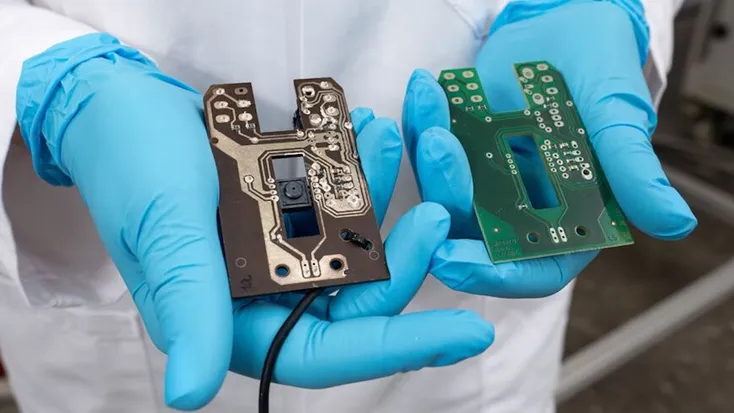
Swiss researchers have developed a compostable circuit board made from wood that is intended to closely match conventional boards in key technical properties. This approach addresses a core issue in the electronics industry: Printed Circuit Boards (PCBs) are found in nearly every electronic device—from smartphones to electric toothbrushes—and significantly contribute to the globally growing problem of electronic waste, which now exceeds 50 million tons per year.
Conventional PCBs are typically made from a composite of glass fibers and plastics like epoxy resin. This material combination provides high stability, heat resistance, and durability—but makes recycling extremely difficult. Separating the individual components requires significant technical and financial effort. In practice, circuit boards are often incinerated or landfilled. Valuable raw materials such as copper or gold are lost in the process, while disposal can release substances harmful to the environment and human health.
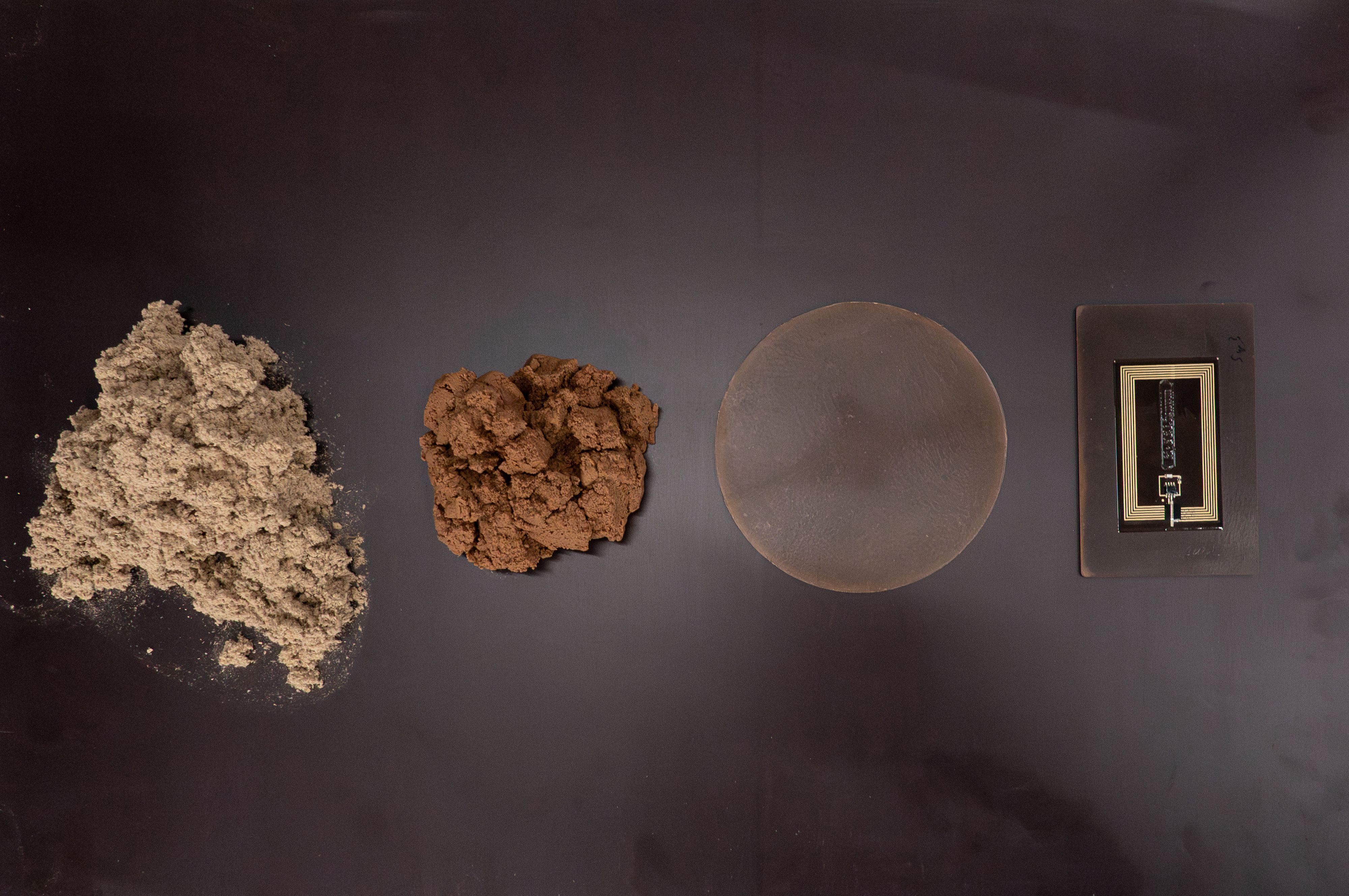
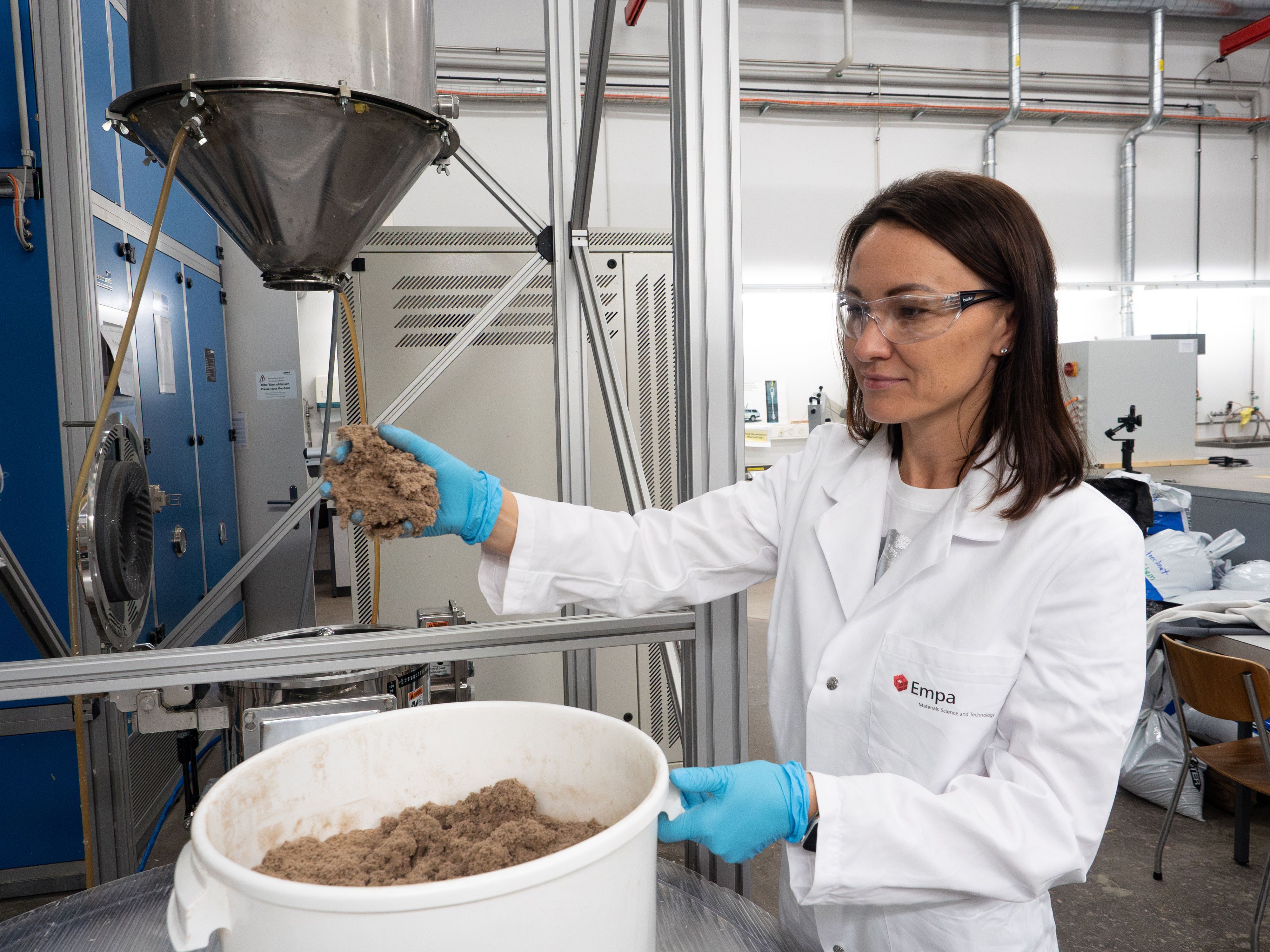
The research team at the Swiss Federal Laboratories for Materials Science and Technology (Empa) is relying on wood as a renewable raw material. They use lignin and cellulose in the form of lignocellulose nanofibrils, derived from pulp. This pulp is a by-product of biorefinery processes—an upcycling approach that could significantly improve the environmental footprint of electronics manufacturing.
For production, the wood fibers were mixed with water to form a fine paste and then pressed under high pressure. The result is a uniform, smooth, and stable board base. Tests show that the wood-based circuit board achieves nearly the same rigidity and strength as conventional epoxy resin PCBs and exhibits comparable properties in terms of heat and electrical conductivity. Additionally, the surface is smooth enough to precisely apply circuits using inkjet printing—a key indication that this approach could be compatible with existing manufacturing processes.
As a demonstrator, the researchers developed a fully functional computer mouse. The casing was made from a bioplastic-wood particle mixture and produced using 3D printing. During operation, the device performed like a conventional mouse, but at the end of its life cycle, it could be fully composted.
However, the technology is not yet fully mature. Currently, the material is more sensitive to moisture than traditional circuit boards. The Empa team is therefore working on protective coatings and material adjustments to improve its suitability for everyday use. Initial estimates also suggest that carbon emissions from the production of wood-based PCBs could be reduced by more than half.
If these challenges are overcome and industrial scalability is achieved, compostable wood-based circuit boards could become a key component in significantly reducing electronic waste and emissions in electronics production.