1 Jun 2026
,Ukraine
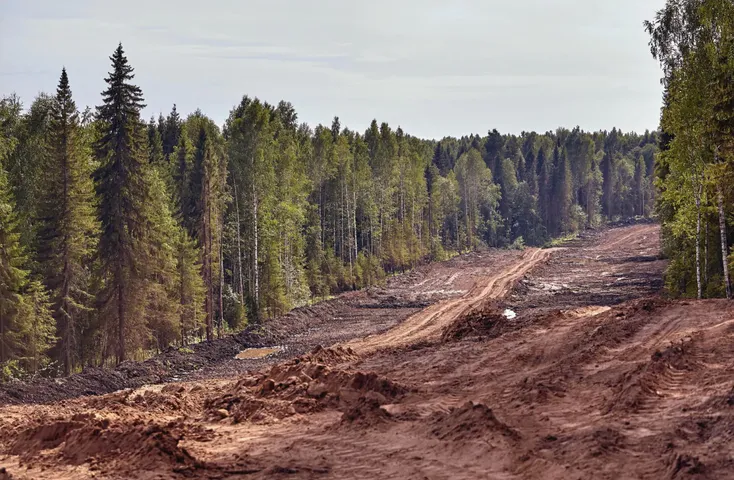
Amidst growing concerns over environmental sustainability, a collective voice from eleven EU member states has emerged, calling for a critical revision and deferral of the much-anticipated EU directive aimed at halting deforestation. This request, prominently featuring the likes of Romania, reflects a rising apprehension among member states about the pragmatic implementation of the directive slated to come into effect by December 30, 2025.
The directive mandates that companies selling specific products within the EU market, including soy and beef, rigorously demonstrate that their entire supply chain steers clear of contributing to deforestation activities. This regulation, while aimed at reinforcing environmental goals, has triggered a considerable debate over its viability.
The collective stance voiced by countries such as Luxembourg, Austria, and Romania articulates a profound concern regarding the feasibility of the directive’s requirements. The EU directive is posited to compel farmers and foresters to embark on an exhaustive, and ostensibly burdensome, compliance journey ensuring their practices do not inadvertently encourage deforestation. The member states argue that these compliance measures are neither practical nor proportionate to the directive’s ambitious objectives.
These countries purportedly contend that the regulations, in their current formulation, pose an unprecedented challenge to agricultural sectors, potentially crippling local industries in their quest to adhere to the stringent rules. The member states emphasize the dire need for a balanced approach that considers the socio-economic dimensions of the affected industries. By encouraging a revision, they aim to achieve a more equitable framework aligned with environmental sustainability, yet also supportive of industrial viability.
Moreover, these concerns are underpinned by the broader understanding that many farmers and foresters lack the comprehensive resources and logistical capabilities to meet these exceptional demands. As such, the member states argue for a level of flexibility in the directive, allowing for a staggered and more practicable implementation that aligns with individual country capacities. This consideration, they argue, is essential for ensuring that the directive’s noble intentions translate into realistic action, as opposed to overwhelming and potentially unattainable obligations.
Furthermore, the urgency in addressing these concerns arises from a collective goal to maintain unity and coherence within the EU. By advocating a deferment of the directive's implementation timeline, the coalition of countries hopes to utilize the extended period to devise a more refined policy that accommodates the collective nuances of the diverse European landscape.
In the grander scheme, this pushback reflects an evolving dialogue within the EU regarding the optimal intersection of environmental policy and practical implementation. While the goal of the directive remains undeniably laudable, the path towards achieving it requires a sensitive and nuanced approach that recognizes the complex fabric of European agriculture and forestry sectors.
The ongoing discourse surrounding the EU anti-deforestation directive exemplifies a poignant moment for EU policy makers. It spotlights the essentiality of harmonizing environmental ambitions with pragmatic requirements, ensuring sustainable practices do not inadvertently hinder the very communities they aim to protect. As the call for revision gains momentum, it propels a reflective pause, urging a recalibrated pathway to achieving Europe's formidable environmental vision.