21 May 2026
,Ukraine
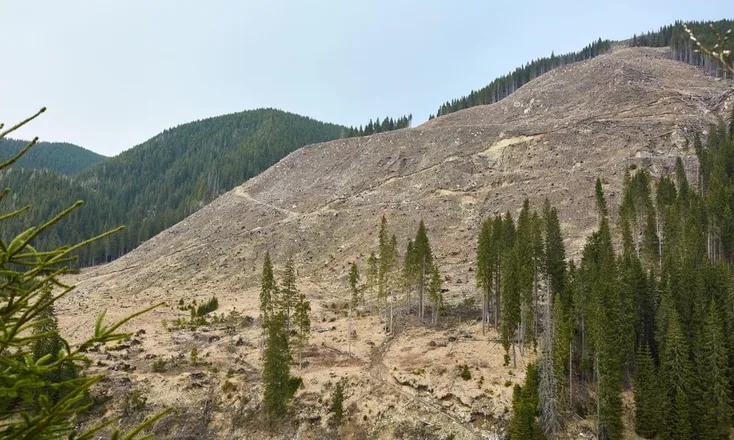
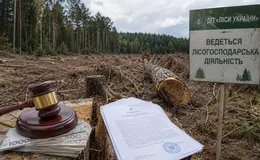
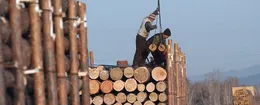
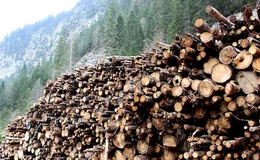
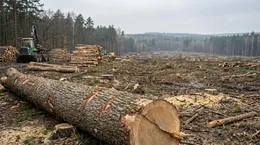
An environmental tragedy is unfolding in the heart of the Romanian Carpathians, quietly but with devastating consequences. Ancient forests, some of which are located in protected areas, are being illegally logged at an alarming rate. These actions are not only destroying a vital natural resource and habitat for valuable biodiversity, but also threatening the ecological balance of the region.
Environmental activists who expose these actions and fight to preserve the forests work under constant pressure and danger. Documenting and confronting violence against nature has become a dangerous mission, and some activists risk their lives in confrontation with powerful and sometimes brutal networks that profit from illegal logging.
The situation in Romania is indicative of a global problem that the European Union is trying to address with strict regulations aimed at combating deforestation. At a recent meeting of the European Union’s Environment Council, Austrian Minister Norbert Totschnig proposed suspending the EU’s logging regulations for one year, arguing that the current rules are a “bureaucratic monster” for Austria’s agriculture and industry.
Totschnig proposed introducing a “zero-risk category” for countries that, like Austria, have not contributed to the problem that the European directives are trying to tackle. The proposal has been met with skepticism and concern from activists and environmental groups, who believe that relaxing regulations could undermine efforts to protect the environment at large.
Some see Austria’s proposals as a way to simplify and adapt European regulations to make them more effective for all member states, while others see them as a threat to climate stability and biodiversity. Critics say that delaying the implementation of the rules or creating exceptions could increase the vulnerability of forests and foster a climate of impunity for those who facilitate illegal logging.
For Romania, the problem is too urgent to risk weakening forest protection measures. The fierce response from environmental groups reflects the urgency of combating illegal logging and protecting one of the continent’s most precious natural treasures.
As EU members continue to debate how best to balance environmental protection with economic needs, Romania’s case serves as a stark warning: without vigilance and strict regulation, a valuable natural heritage could be irretrievably lost, with unimaginable consequences for its people and for the European ecosystem as a whole.