
yesterday at 12:29
,Germany
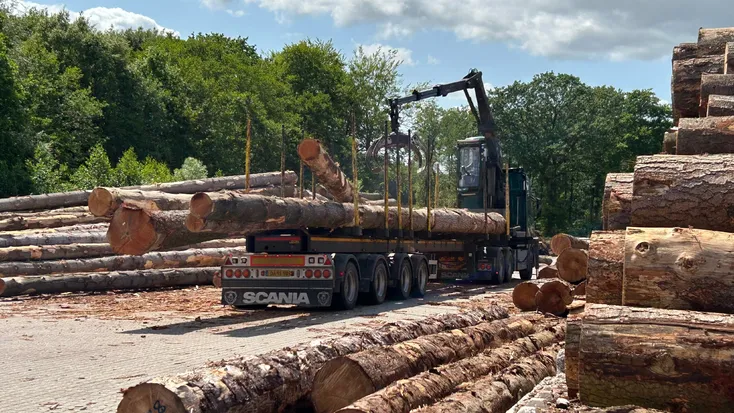
In Denmark, there is growing concern over the lack of availability of domestically produced timber, which has created significant challenges for the local wood and furniture industry. The problem is further exacerbated as certified timber, which meets sustainability standards, is particularly hard to obtain. This situation threatens to alter the economic and environmental landscape of the sector.
The Danish timber sector is under considerable pressure to secure a stable supply of sustainable wood. If this is not achieved, there is a risk of serious consequences such as job losses and setbacks for climate-friendly projects. A stable supply chain is essential to ensure that the industry can play its role in the sustainable economy. The current shortage of resources could harm both businesses and environmental protection efforts, with the risk of job losses increasing alongside the decline in timber production.
The Danish wood and furniture industry faces a paradoxical situation. Despite increased afforestation, the country risks losing access to the necessary timber for structures and products that reduce CO2 emissions. This reveals an underlying weakness in the timber supply infrastructure, as domestic production fails to meet construction demands or support exports.
The existing pressure on supply also affects the many Danish sawmills, which may face the threat of closure. This is a strong indication of the need for a well-thought-out forestry plan that can effectively address the potential shortage. For these operations, access to raw materials is a critical factor for their survival, and without action, Denmark risks losing vital capacity in this sector.
The need for a holistic approach that balances climate impact, nature conservation, and timber production is evident. A well-designed forestry plan can contribute to environmental benefits in terms of biodiversity and CO2 reduction, as well as economic advantages by supporting the industry's continued growth and stability.
With a forestry plan aiming to add 250,000 hectares of new forest by 2045, the Green Tripartite marks a historic commitment to CO2 reduction and biodiversity enhancement. Such an initiative represents a remarkable pledge to tackle current challenges, but it will only succeed if integrated into a systematic strategy for increased timber production.
To meet future demands, Denmark must significantly strengthen its self-sufficiency in valuable timber. Currently, national production covers only about one-fifth of consumption. By increasing self-sufficiency, the industry can better withstand global market fluctuations and promote local economic growth.
A key advantage of doubling self-sufficiency capacity lies in the economic potential that can be unlocked through the creation of more Danish jobs. Not only would this strengthen the national economy, but it would also enhance Denmark's status as an environmental leader by delivering products with lower CO2 emissions.
Regardless of how challenging the outlook may seem, it is clear that coordinated efforts and political support can lead to a sustainable future with increased production, reduced environmental impact, and economic stability for the Danish wood and furniture industry. However, this requires a commitment to implementing a comprehensive forestry plan that can address the complex challenges facing the sector today.