
1 Jun 2026
,Australia
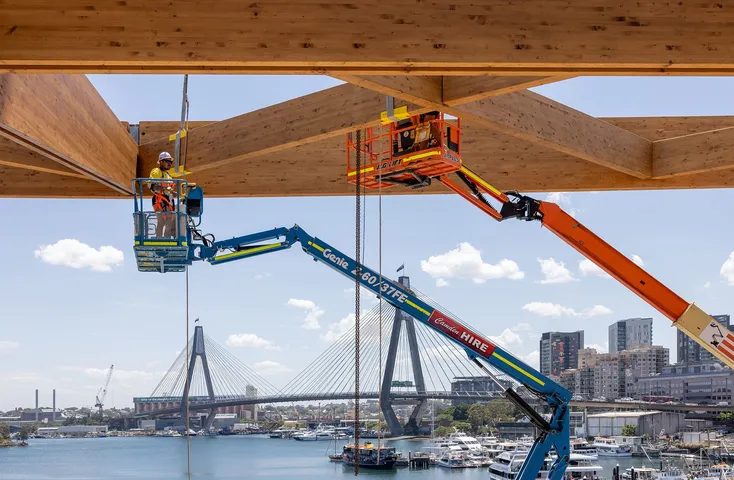
Australia has established itself as a leader in the burgeoning field of timber construction, merging innovation with sustainability to deliver some of the most noteworthy timber building projects in the world. The country's emphasis on sustainable building practices is reflected in its commitment to pioneering large-scale timber projects, which are gaining international attention and setting new standards in the construction industry.
Australia's dedication to timber construction is exemplified through its innovative projects that showcase the potential of this sustainable building material. One of the most ambitious undertakings is the Macquarie Point Stadium in Tasmania, a project emblazoned with the features of modern timber architecture. With its plan to construct the world's largest timber roof, this stadium demonstrates Australia's capability and intent to push the boundaries of what is possible in timber construction. The fast-tracking of this project by the Tasmanian government underscores a national recognition of the benefits and allure of timber as a viable construction material.
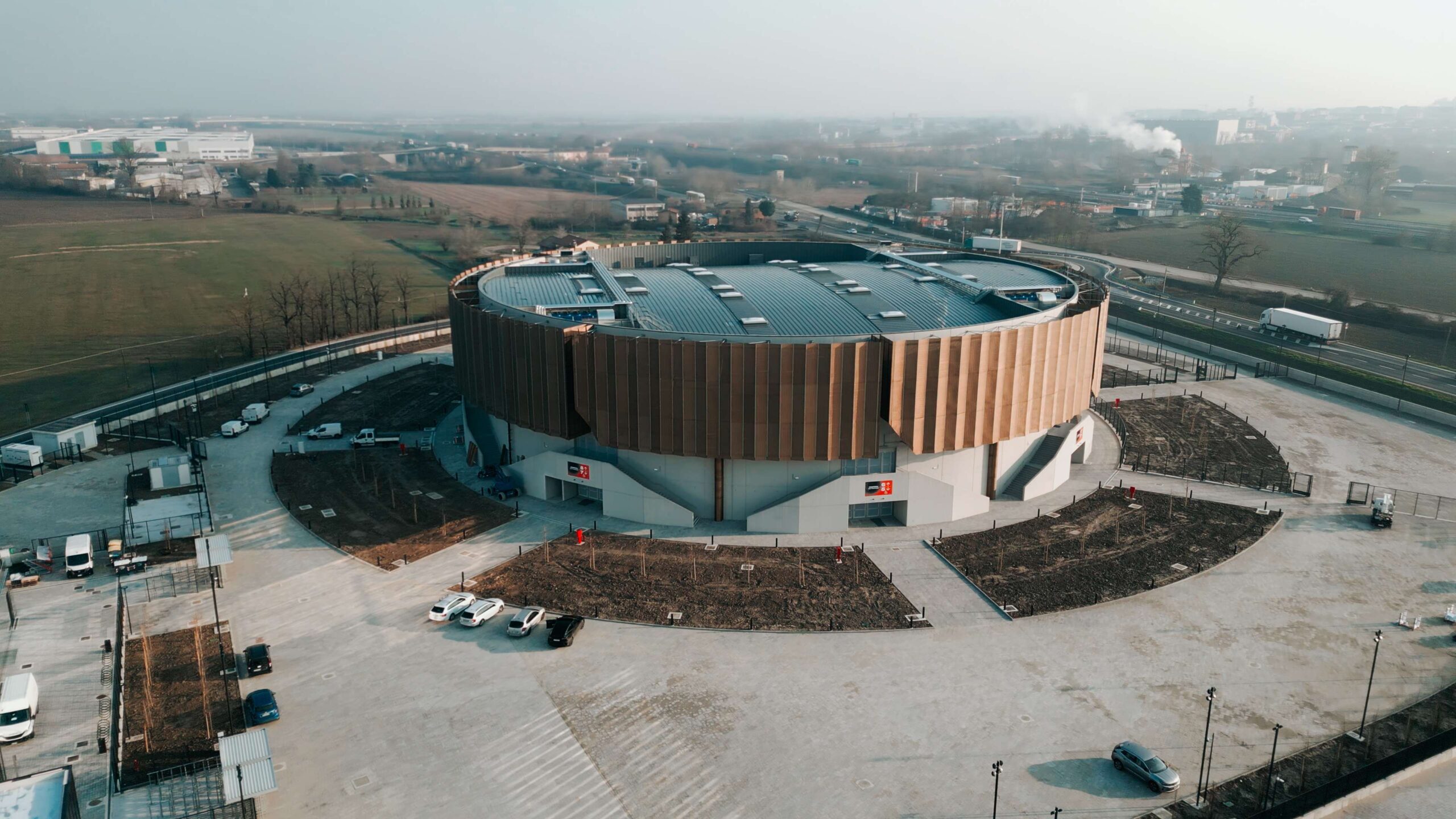
These developments are not only pivotal in terms of their architectural influence but also mirror a broader shift towards environmentally conscious building. Timber, as a renewable resource, provides a more sustainable option compared to conventional construction materials. By focusing on such projects, Australia aligns itself with the growing global trend of reducing carbon footprints in the building industry, further cementing its role as a leader in sustainable development.
Another significant aspect of Australia's success is its participation in international collaborations. The contribution of companies like Italy-based Rubner Holzbau GmbH is instrumental in advancing Australia's timber construction industry. Through partnerships such as Theca Timber, these collaborations have breathed life into iconic structures, including the Sydney Fish Markets, proving that transnational cooperation is crucial in realizing ambitious projects that blend aesthetic appeal with environmental responsibility.
The global expertise brought by companies like Rubner Holzbau GmbH, which has completed over 7,500 timber projects worldwide, provides the necessary know-how and innovation needed to further boost the prominence of Australian timber construction. Such partnerships facilitate the exchange of ideas and technologies, contributing significantly to the industry's growth and evolution.
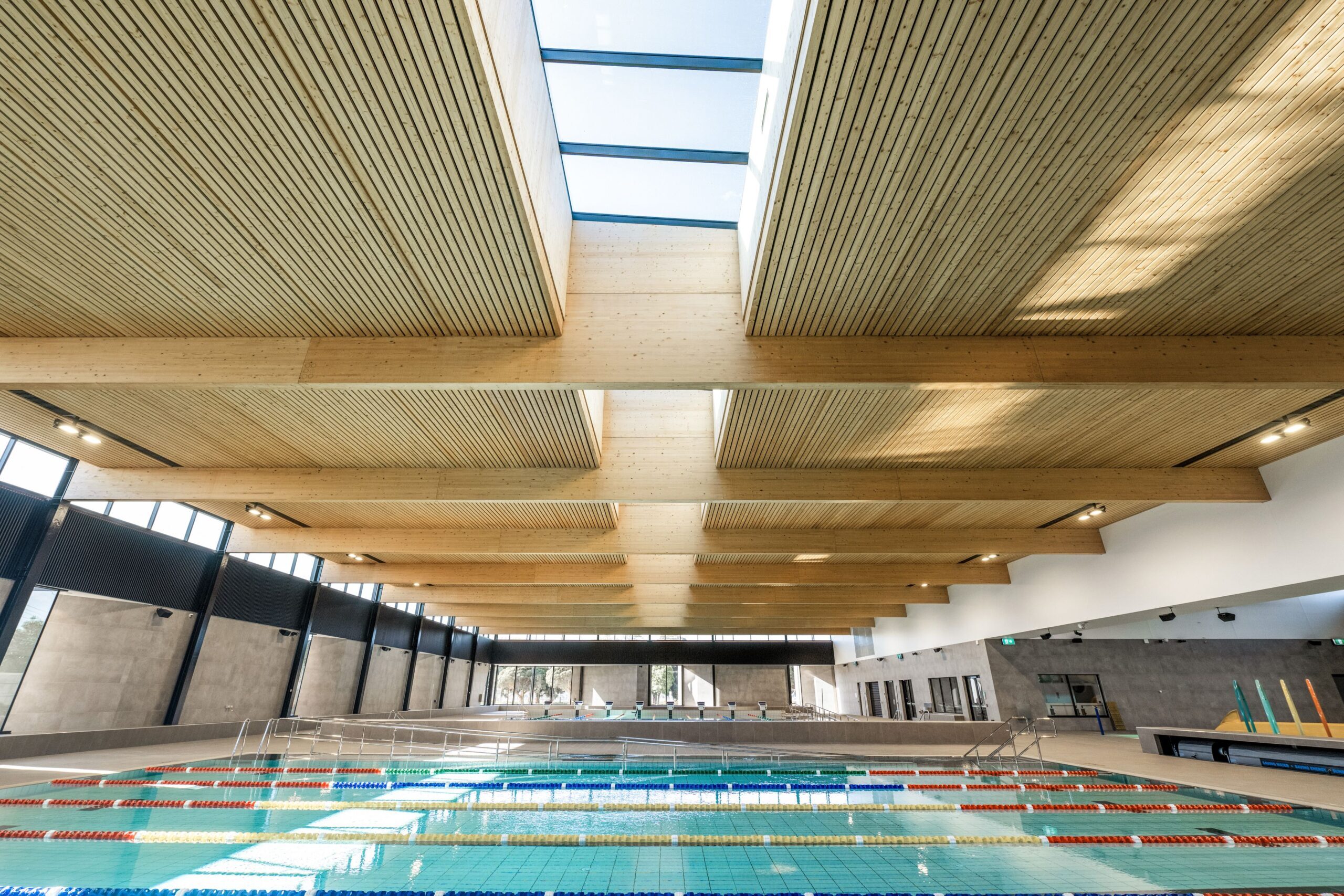
The increasing number of tendered timber construction projects in Australia indicates a burgeoning interest and demand for mass timber constructions. This surge not only signifies the country's leadership in this field internationally but also highlights the growing recognition of timber as a fundamental component in modern building practices.
The push for mass timber constructions aligns with global sustainability goals, driving a shift towards more eco-friendly building practices. Timber buildings are highlighted for their low environmental impact, from resource extraction through eventual recycling or disposal, making them a crucial component in the pursuit of green construction solutions.
Furthermore, the industry's growth is supported by legislative measures that encourage timber projects, reflecting a broader recognition of their advantages. Government and private sector support play pivotal roles in fostering an environment conducive to innovation and growth, further establishing Australia as a hub for future timber construction advancements.
Ultimately, Australia's commitment to innovative and sustainable timber building projects not only influences domestic construction trends but also extends its impact globally. As timber continues to gain traction as an alternative building material, Australia's pioneering efforts position it as a beacon of sustainability and modern construction in the international arena.