
16 czerwca 2026
,Białoruś

Pellets are quickly disappearing from stores and warehouses, and sellers are imposing restrictions - in some points you can buy no more than 15 bags. In a few months, prices have increased by several dozen percent, which is especially painful for those who heat their homes with this fuel in the middle of winter.
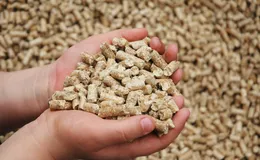
Pellets are compressed biofuels made from wood waste, primarily sawdust and shavings. For many households, they are not just an ecological alternative, but the main source of heat.
In many regions, demand significantly exceeds supply. Supplies are limited, and the goods are bought up almost immediately after arrival. The shortage is exacerbated by so-called panic buying: some consumers try to stock up, which empties warehouses even faster.
If in the fall a ton of pellets cost 1,300–1,700 PLN, now prices are usually 2,300–3,000 PLN, and in some places they reach 4,500 PLN. This means a sharp increase in the cost of heating in a short time.
Among the reasons are severe frosts, which have limited the work of sawmills that supply sawdust for production. At the same time, fuel consumption increases sharply in cold weather. Manufacturers claim that they are working continuously, but no one expected such a jump in demand.
Buyers complain about long waiting times for online orders and higher prices even from regular suppliers. In supermarkets, goods appear irregularly and quickly run out.
Regulatory authorities have already become interested in the situation, which is checking possible abuses and price collusion. The option of state intervention through strategic reserves is also being considered.
The industry warns that even an increase in production does not guarantee quick stabilization if problems with raw materials and weather persist. Consumers are urged to use fuel rationally, because it is not known how long the shortage and high prices will last.