
yesterday at 12:29
,Germany
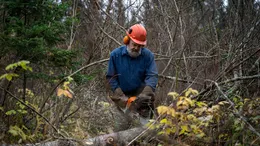
Discussions about the amendments to the Forest Law proposed by the Ministry of Agriculture have become a significant issue both in the political arena and within society. These amendments include a proposal to reduce the age for final felling for several tree species, which has led to a clash of opinions between industry representatives and environmental advocates. Until the end of September 9, the involvement of all relevant parties was requested, making this issue both urgent and nationally important.
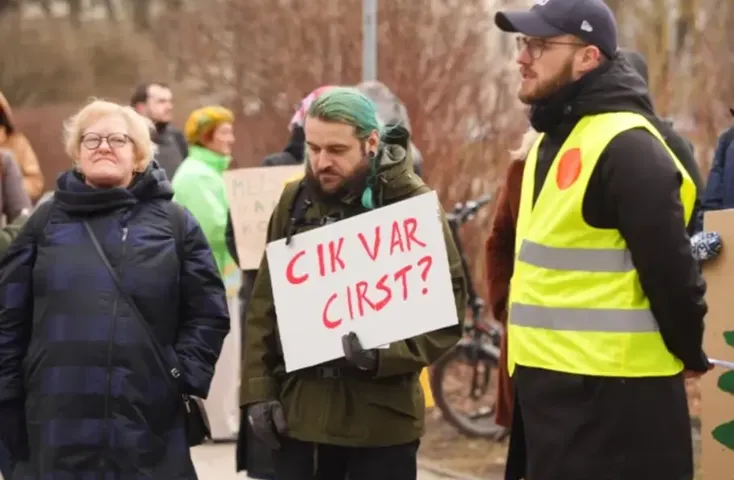
More than 20 organizations, including environmental funds and various associations, as well as several ministries, have expressed their objections to these plans. The Ministry of Agriculture and some representatives of the forestry sector are pushing the amendments, highlighting their potential economic benefits. However, for the public and regions, this issue touches not only on economic matters but also on environmental concerns, as well as international commitments to maintain ecological stability.
The core of the Ministry of Agriculture's proposal is to reduce the age for final felling for several tree species, with the aim of accelerating timber harvesting and thereby increasing the dynamism of the forestry sector. Supporters emphasize that this could boost economic activity and competitiveness, ensuring faster resource turnover and a potential increase in timber availability. It could also promote regional development and create new employment opportunities, which are particularly crucial for rural areas.
On the other hand, the proposed changes raise concerns about ecological stability and biodiversity. Critically viewed, a shortened felling age could threaten ecosystem stability and fail to align with sustainable management principles and national climate goals. Strategic caution underscores that such a decision will impact the future of forests in the long term and requires further evaluation based on scientific data.
The legal process is currently in the inter-institutional coordination phase, where official complaints and objections from various stakeholders have been received. Further analysis and potential adjustments based on these objections are expected. This also includes the need for broader public communication and clear justification for any decisions made.
This issue has polarized society between those who prioritize maximizing economic benefits and those who wish to prioritize environmental protection. Greater transparency and clear impact assessments related to these proposals have been demanded. There is also an emphasis on the need for public debates and a clearly articulated strategy that includes listening to and analyzing the opinions of all stakeholders.
The next steps in this process involve a thorough evaluation by the government and the Ministry of Agriculture of the objections submitted. Dialogue with stakeholders is essential, and refining new proposals may be necessary based on this dialogue. Communication with the public and in-depth risk and benefit assessment measures will be crucial for supporting well-considered decisions. Public awareness and engagement will be promoted to ensure that the adopted amendments meet both economic and ecological needs as well as sustainability criteria.