Mondragón Opens in Álava the Largest Sawmill in Southern Europe to Lead the European Forest Industry
yesterday at 12:58
,Spain
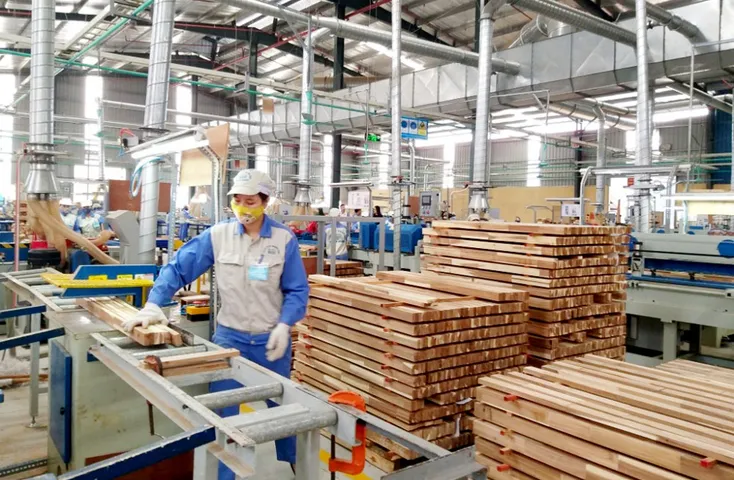
Vietnam's wood industry has firmly established itself as a vital component of the nation's economic framework, consistently ranking among the world's top exporters. This sector not only contributes significantly to Vietnam's GDP but also provides employment opportunities to millions, underscoring its importance in the global marketplace.
Recent strategic shifts towards sustainability are shaping the future of Vietnam's wood industry. An increasing emphasis on sustainable practices reflects the sector's commitment to responsible forest management and the production of certified, value-added products. This change is driven by increasing global demand for environmentally friendly products and the industry's recognition of sustainability as a long-term competitive advantage. Furthermore, this shift aligns with global trends pushing for more responsible consumption and production paradigms.
The year 2024 marked a significant milestone for Vietnam's wood industry, achieving record exports valued at US$17.3 billion. These figures include substantial contributions from timber, wood products, and non-timber forest products such as bamboo and rattan. This record achievement not only underscores the industry's resilience and adaptability but also highlights the effectiveness of Vietnam's strategic focus on diversifying its portfolio with non-timber products.
Wooden furniture has been a standout performer, generating US$3.1 billion within the sector. The global demand for Vietnamese furniture is a testament to the quality, craftsmanship, and competitiveness of the country's manufacturing base. This booming export avenue has been instrumental in enhancing Vietnam's reputation as a leading player in the international markets, particularly in catering to style-conscious consumers who prioritize both aesthetic appeal and environmental responsibility.
Parallel to the growing export value is the remarkable increase in domestic wood output. This growth is indicative of the sector's enhanced efficiency and sustainability, driven by improved forestry management practices and technological advancements. The industry's ongoing metamorphosis into a more sophisticated and value-driven enterprise promises further expansion and innovation.
However, despite these remarkable achievements, the Vietnamese wood industry is not without its challenges. Trade tensions and tariffs continue to pose significant risks, potentially impacting international market access and profitability. The sector must navigate these obstacles carefully, leveraging diplomatic channels and strategic partnerships to mitigate adverse effects.
Nevertheless, the future of Vietnam's wood industry remains robust and full of potential. With a clear commitment to sustainability and a track record of resilience and innovation, the sector is well-positioned to achieve continued growth. As it builds on its successes and confronts its challenges, the industry is set to not only maintain but also potentially enhance its standing on the global stage, further contributing to Vietnam's economic prosperity.