Mondragón Opens in Álava the Largest Sawmill in Southern Europe to Lead the European Forest Industry
yesterday at 12:58
,Spain
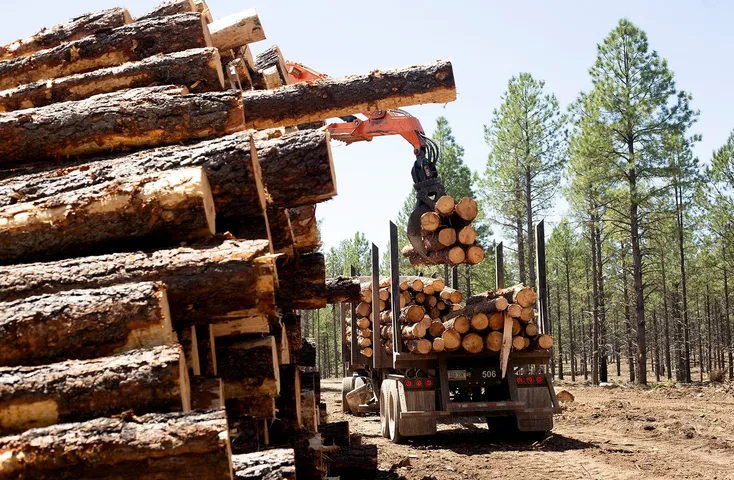
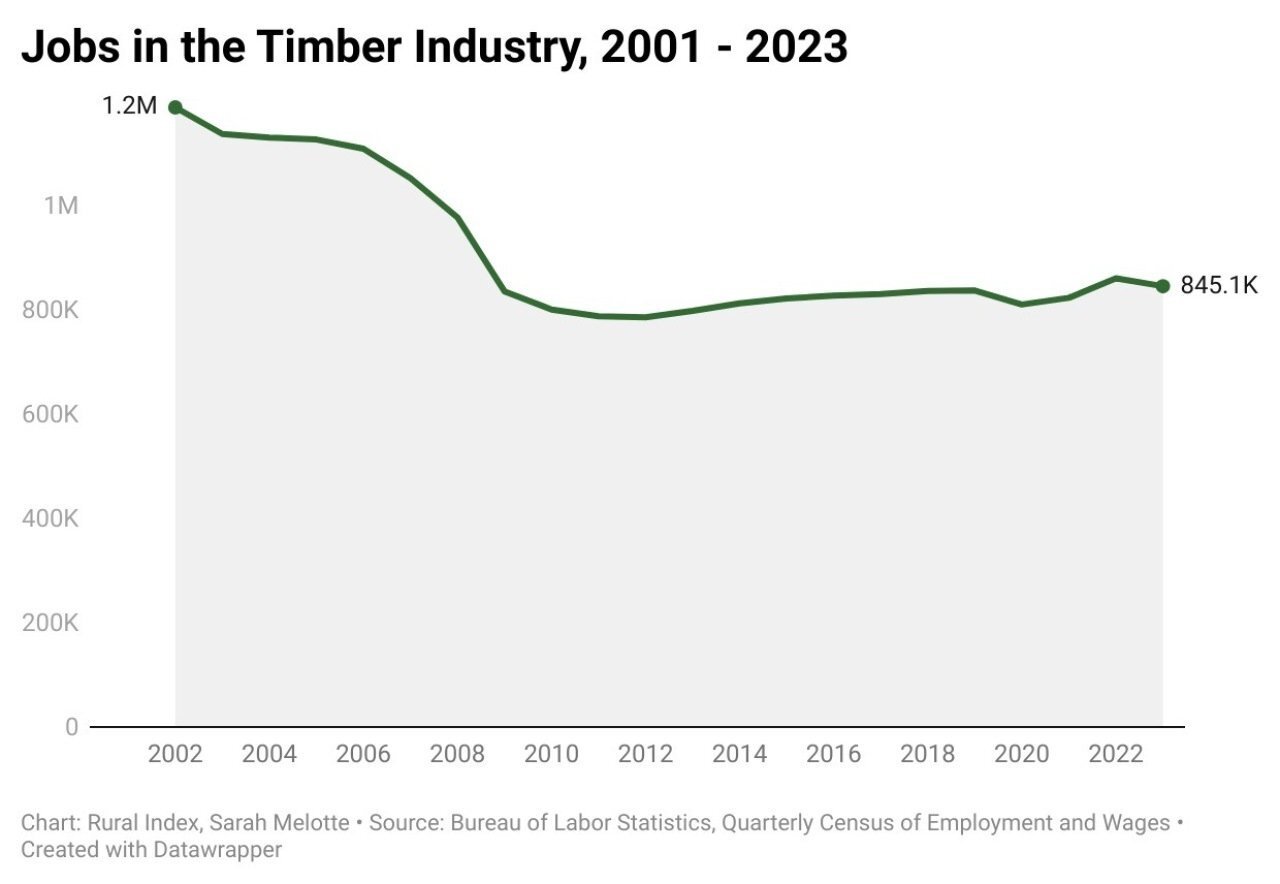
The Trump administration's decision to declare a timber emergency has caused waves of discussion among stakeholders in the forestry and rural economic sectors. The declaration was aimed at boosting timber production and supporting rural communities experiencing declining job opportunities. An executive order issued earlier this year seeks to increase timber production by at least 25%. The administration cites wildfire risk reduction and economic development as primary reasons behind this move.
While this initiative is intended to breathe new life into rural economies potentially reeling from the downturn in logging, its effectiveness remains debated. President Trump's forest management policies have generated significant discussion regarding their potential to rejuvenate communities once heavily reliant on logging. Some advocate that the increased timber production could restore economic stability and job creation in these areas, while others argue the environmental impacts and question the long-term viability of these strategies.
To delve deeper into the effects of these policies on the ground, journalists Sarah Melotte and Ilana Newman from The Daily Yonder spent a week in mid-August engaging with local communities in the rural Northwest. Their visits and dialogues aim to cover facets of mining, natural resources, and their intersection with human health. Their fieldwork is part of a broader attempt to gauge the real-world implications of federal policies on rural livelihoods.
Among those interviewed was logger Bruce Vincent, a central figure in this discourse. Vincent owns and operates Vincent Logging, a small-scale timber operation rooted in the small town of Libby, Montana. His familial ties to the timber industry run deep, with the logging company established by his parents in 1968. Bruce's insights provide an invaluable backdrop against which the prospective effects of increased timber production are discussed.
Exploring the rugged landscapes that form the core of his operations, Melotte and Newman spent a day shadowing Bruce in his truck, gaining first-hand perspectives on the challenges and hopes harbored by rural loggers. Conversations with Bruce shed light on the optimism tempered by caution; while he hopes that policies supporting ramped-up timber production will revitalize local economies, he remains aware of the environmental and logistical concerns that accompany such initiatives.
"There is a fine line between responsible forest management and exploitation. While we appreciate the federal focus on rural economic development, it must go hand-in-hand with long-term sustainable practices," commented Bruce during the interview.
The declaration of a timber emergency has, therefore, lit a beacon of hope and controversy. The push to increase timber output could indeed invigorate a vital sector for many rural communities, yet it necessitates a balanced, nuanced approach. As local narratives, like those documented by The Daily Yonder, unfold, it becomes clear that seeking equilibrium between economic imperatives and ecological stewardship will be crucial in realizing the full benefits envisioned by the administration's policies.