19 May 2026
,Austria
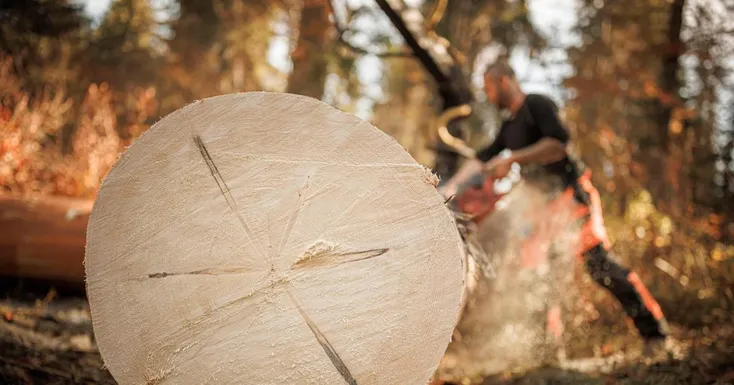
The Austrian forestry sector faces the urgent task of preparing its forests for the challenges of climate change. In this context, a strategy is being pursued that focuses on a temporary increase in timber harvesting. The goal is to fell more timber than naturally regrows. While this may seem counterintuitive at first glance, it is part of a comprehensive plan to enhance the resilience of forests to changing climatic conditions.
Adapting forests to climate change requires profound measures that must be both ecologically and economically viable. One of the key points is the replacement of older coniferous stands with more adaptable tree species. In many Austrian forests, conifers currently dominate, posing an increased risk of wildfires and susceptibility to pest damage. By introducing more resilient tree species, the aim is not only to strengthen biodiversity but also to reduce the risk of damaged timber.
The increased timber extraction is not intended as a permanent measure but rather as a kind of initial spark that enables rapid adaptations. Attention is also paid to ensuring that existing natural resources are used sustainably.
However, implementing these plans is not without challenges. The forestry sector in Austria faces various economic and bureaucratic hurdles. Timber prices are currently low, putting pressure on the profit margins of forestry operations. At the same time, operating costs for personnel, machinery, and materials continue to rise. Additionally, regulatory obstacles such as the EU Deforestation Regulation increase the administrative burden and complexity of forest management.
“We must find a balance between the need to make our forests climate-resilient and the economic realities faced by forestry operations,” said a spokesperson for the Austrian forestry sector.
These challenges call for creative solutions and collaboration among all stakeholders. The focus is on developing long-term strategies that safeguard both the ecological value of forests and the economic vitality of forestry operations.
Despite these adverse circumstances, confidence in the industry remains strong. Research into new techniques and innovative approaches is ongoing to improve the efficiency and sustainability of forestry. This is expected to not only strengthen the domestic timber market but also contribute to the global fight against climate change.
Overall, this is a time of change and adaptation for the Austrian forestry sector. The measures being pursued aim not only to enhance the climate resilience of forests but also to create economic opportunities. The willingness to temporarily harvest more timber than regrows is a bold step that targets long-term benefits—for both the environment and the economy.