
1 Jun 2026
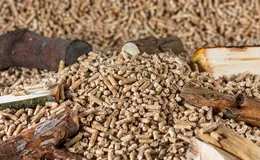
The heating season in Serbia is in full swing, and this year consumers are facing serious challenges due to the shortage of fuel, including pellets. With the approach of cold weather, the demand for this type of energy is increasing sharply, and the shortage is only increasing tensions in the market.
In recent months, the pellet market has experienced a sharp increase in prices. The price per ton has increased to 40,000-46,000 dinars, which is significantly higher than in previous years. The price jump began in October, and stocks in many warehouses have become rare.
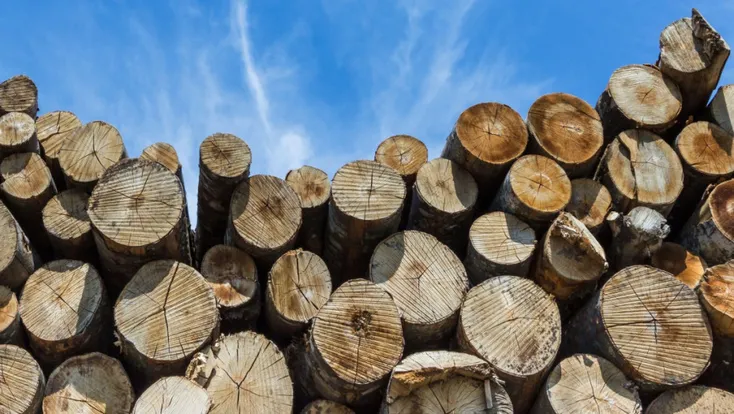
The demand for wood as an alternative source of heating is also growing. The situation in this market is similar, which further complicates the preparation of households for winter. Many citizens are forced to bypass numerous warehouses, often returning without the necessary fuel or buying it at high prices.
Branko Glavonic, a professor at the Faculty of Forestry in Belgrade, notes that many warehouses are already forming waiting lists due to high demand and limited stocks. The current fuel shortage is the result of a long-term crisis in pellet plants that has lasted for more than two and a half years. Previously, excess stocks and mild winters led to a decrease in consumption, and now their absence has caused a shortage.
The stocks that ensured uninterrupted supply in previous seasons ran out in early August, which explains the current shortage. This situation could significantly affect family budgets, as citizens face high prices and uncertainty in the market.
To stabilize the situation, the industry could consider various measures: increasing production capacity, opening additional sales channels and optimizing logistics. Experts also advise improving seasonal consumption planning and maintaining stocks to avoid similar crises in the future.
While the situation remains tense, consumers are advised to closely monitor the market and prepare for possible price fluctuations, hoping for a quick stabilization of supplies before the cold winter days.