
yesterday at 12:29
,Germany
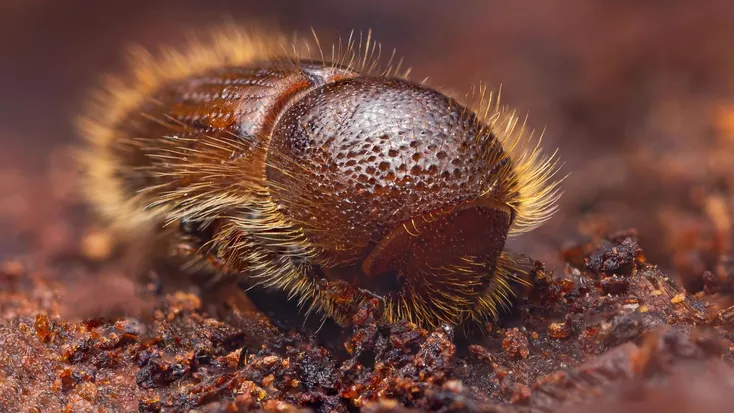
Bark beetles are considered one of the most feared enemies of forest owners. Vast areas of spruce stands fall victim to their larvae, resulting in significant economic damage. However, a new study reveals that behind their reputation as pests lies an important ecological function.
Researchers from the Swiss Federal Institute for Forest, Snow and Landscape Research (WSL) have analyzed data spanning nearly 30 years to investigate how the presence of bark beetles affects the populations of three woodpecker species. The results, published in the renowned scientific journal *Journal of Animal Ecology*, paint a surprising picture: the insects actively contribute to promoting biodiversity in forests.
„Bark beetles have a poor reputation in forestry,“ explains a WSL expert. „But our research shows that they do not solely cause harm.“ While the beetles do indeed cause entire areas of trees to die off, it is precisely this deadwood that creates new habitats for numerous forest animals. Woodpeckers, for instance, find food and nesting sites in the dead trunks – directly benefiting from the work of these small insects.
The study thus offers a new perspective on the often demonized beetles. „It is possible that they have been unfairly branded as pests,“ the researchers note. Long-term observations show that the gaps in forest stands caused by the beetles increase biodiversity and create important ecological niches.
This could have implications for forestry: Instead of solely combating bark beetles, their role in forest management could be given greater consideration. Deadwood and infested areas could be deliberately preserved as habitats for animals, without completely disregarding the economic interests of forest owners.
The WSL study not only provides new scientific insights but also encourages a shift in perspective. What was long considered damage turns out to be an ecological gain – proof that in nature, there is often more happening behind the scenes than meets the eye.