yesterday at 12:29
,Germany
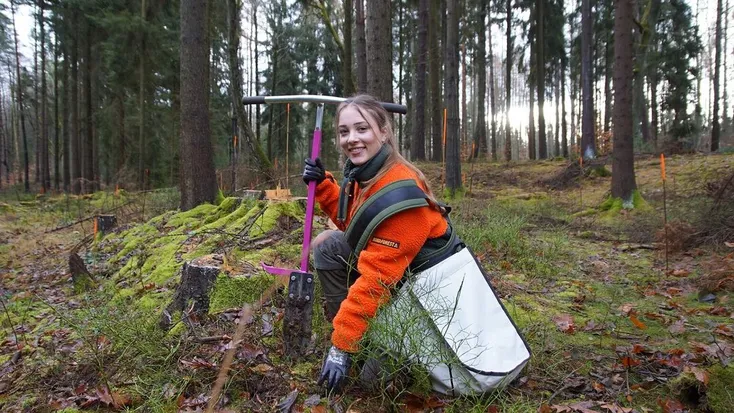
Bark beetle infestations and forest fires have severely damaged the forests in and around the Saxon Switzerland National Park in recent years. To regenerate these areas more quickly and make them more resilient for the future, Sachsenforst is actively pushing forward reforestation efforts in the region.
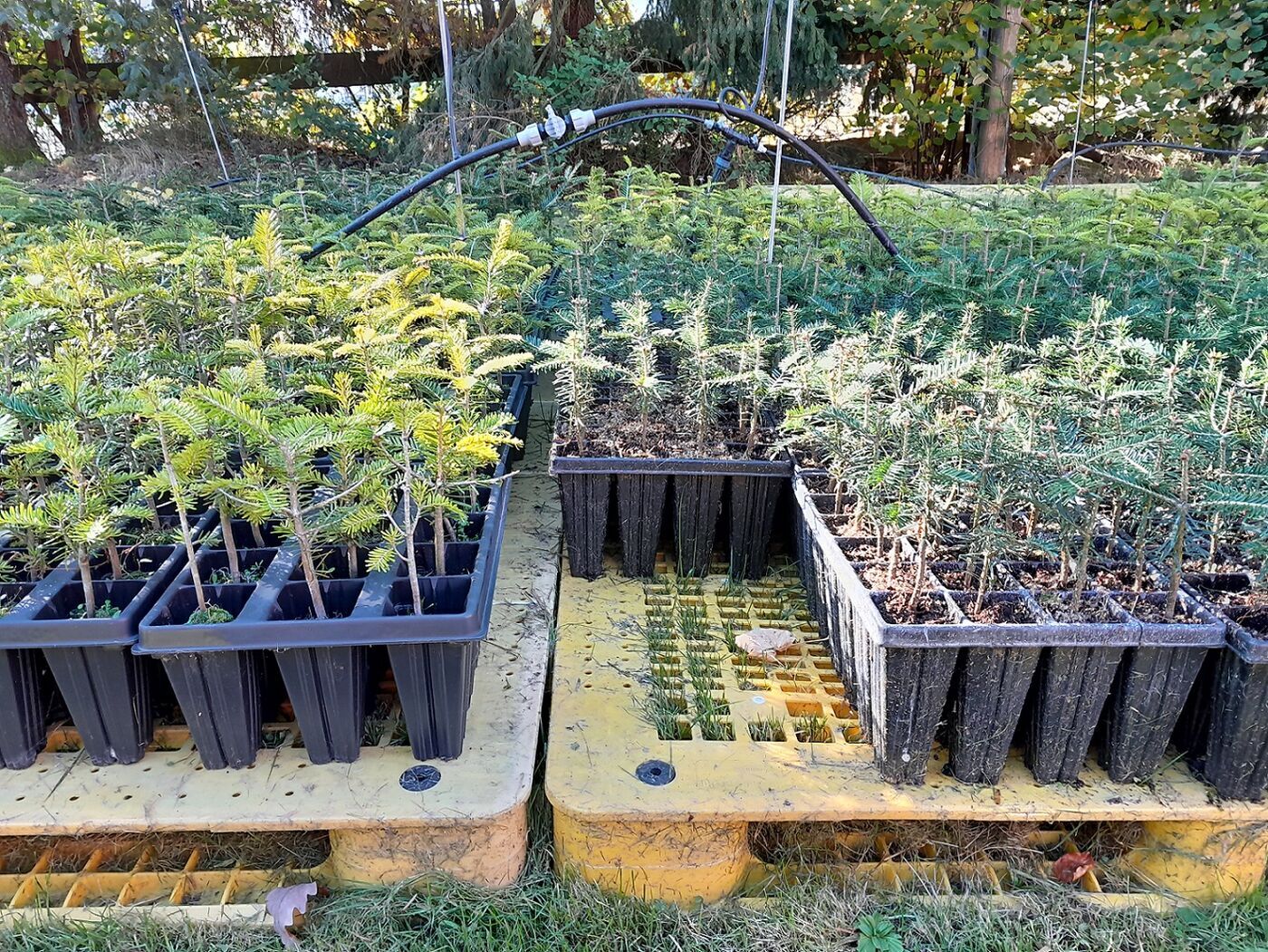
In 2025, a total of 165,000 trees and shrubs were planted in the state forest—both within and outside the national park. The reforestation covered 78 hectares. Among the species planted were beech, oak, sycamore maple, as well as larch and pine.
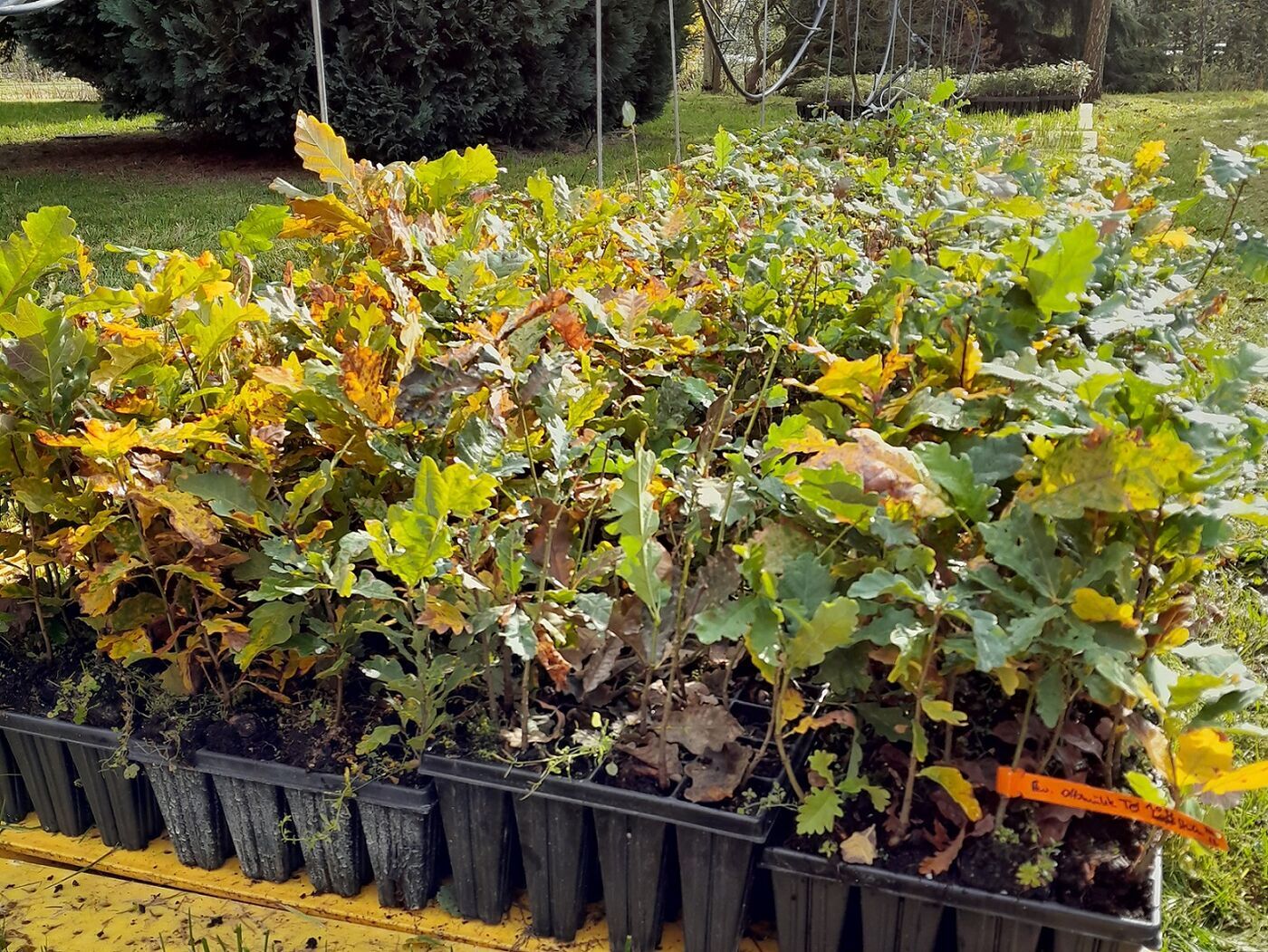
The focus of these measures is the transition to stable mixed forests. These are intended to be better equipped to withstand pests, the impacts of climate change, and forest fires in the future. For this reason, Sachsenforst is deliberately relying on a diverse mix of tree species.
In addition to reforestation, further ecological measures are being implemented. Along streams, trainees from Sachsenforst planted alders to enhance wetland biotopes. Additionally, tree species diversity was increased with the inclusion of hornbeam, small-leaved lime, and wych elm.
At forest edges, shrubs such as dog rose, spindle, viburnum, and buckthorn were planted. These are intended to enrich the structure of the forest edges and create new habitats and food sources for animals.
Another key focus is on fire protection. Based on the forest fire protection concept developed after the severe forest fires of 2022, oaks were specifically planted around vulnerable buildings and settlements. In the Zahnsgrund near Bad Schandau, for example, they replaced heavily damaged, highly flammable spruces near the Schrammsteinbaude.
According to those responsible, the diversity of planted tree and shrub species is a central prerequisite for climate-resilient forests. This approach aims to ensure that the forest can sustainably fulfill its functions for timber production, protection, and recreation, while the forest transformation in the region is consistently continued.