yesterday at 12:29
,Germany
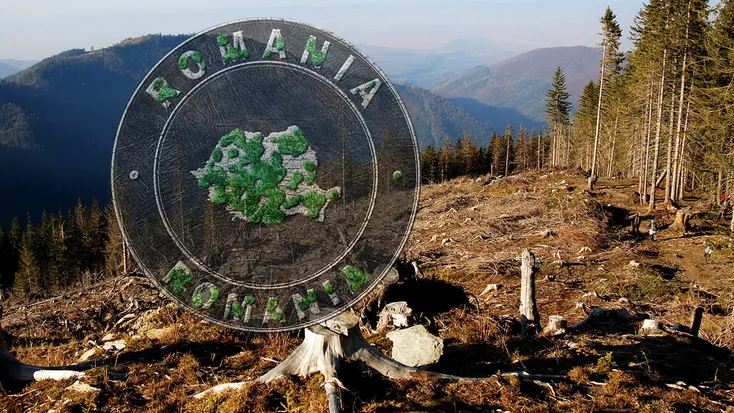
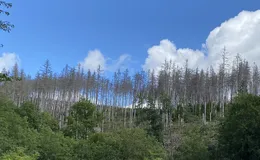
Romania faces a serious problem regarding the loss of forested areas, an issue that has drawn attention not only from local authorities but also from the international community. Between 2001 and 2024, the country has lost approximately 453,000 hectares of forest, equivalent to 5.7% of the area it held at the beginning of the century. This alarming figure highlights concerns about environmental policies and the extraction of natural resources.
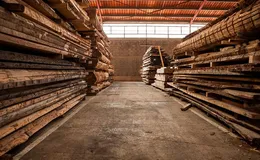
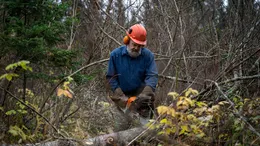
The primary culprit for this dramatic decline in forest cover is intensive logging. Tree-cutting activities account for 97.5% of the lost forested territories, indicating an imbalance between economic needs and ecological sustainability. Intensive exploitation, coupled with violations of existing regulations, contributes to the depletion of natural resources at an alarming rate.
In addition to the devastating impact on biodiversity and climate, the loss of these forests also affects local populations who depend on natural resources for their daily livelihood. The current situation underscores the urgent need to implement strict measures for the protection and restoration of affected areas, as well as to explore more sustainable and responsible exploitation practices.
Alongside these losses, Romania has also seen an increase in the area of young forests. According to available data, the country has gained 224,000 hectares of new forest. While this number is welcome, it represents only about half of what has been lost. Moreover, despite this partial recovery, young forests require decades to reach the maturity and ecological value of those that have been intensively exploited.
Reforestation of young forest areas is a complex process that requires not only time but also appropriate human interventions to ensure that the new vegetation can support local ecosystems and biodiversity. This involves collaboration across various sectors and community initiatives to support the restoration and protection of nature.
Global Forest Watch (GFW) proves to be a vital ally in the fight against deforestation. This interactive online tool, launched by the World Resources Institute in 2014, provides essential data and tools for monitoring forests globally. Through access to real-time information, authorities and environmental organizations can make well-informed decisions and develop effective strategies for the sustainable management of forest resources.
The study highlights an alarming situation over the given time period, emphasizing the need for swift and effective actions to protect and reforest lost territories.
Addressing this urgent issue requires an integrated approach, including both strict conservation policies and public education efforts on the negative impact of deforestation. Prioritizing the protection of existing forests and implementing viable strategies for expanding forested areas becomes essential to ensure that future generations can benefit from Romania's natural wealth. Only through collective efforts and commitments at national and international levels can the significant negative effects on the environment be remedied, securing a greener and more sustainable future.