Mondragón Opens in Álava the Largest Sawmill in Southern Europe to Lead the European Forest Industry
yesterday at 12:58
,Spain
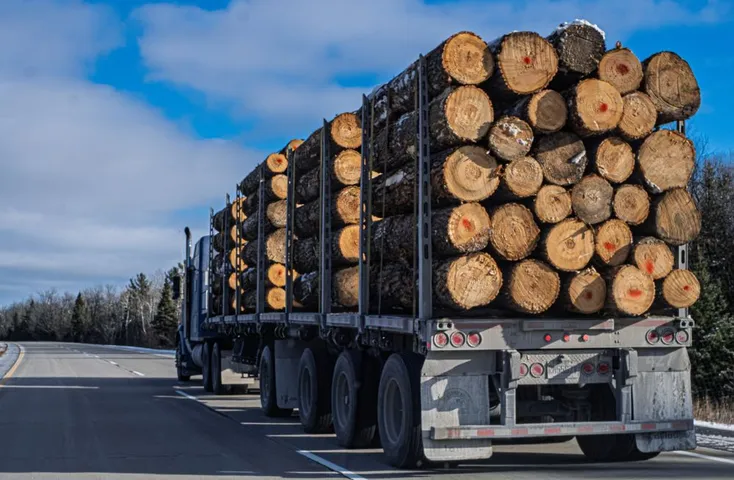
In a recent announcement, Remabec, a prominent lumber producer, has disclosed its decision to cut 1,000 jobs in Quebec, sending shockwaves through both the industry and the local economy. The move, attributed largely to financial instability caused by tariffs, serves as a stark reminder of the ripple effects trade policies can have on employment and regional livelihoods.
The layoffs at Remabec highlight a growing concern within the lumber industry, where external economic forces, such as tariffs, pose significant challenges to operational sustainability. For many in Quebec, where communities are heavily reliant on the lumber sector, this news is unsettling. It not only threatens the immediate economic stability of those directly affected by job loss but also heralds broader repercussions for the economic health of the region at large.
The announcement of job cuts at Remabec has illuminated the precariousness of regions economically tied to industries vulnerable to international trade policies. As one of the largest lumber producers in Quebec, Remabec's decision to downsize due to financial strains has a domino effect that extends far beyond the immediate workforce. In areas where lumber production is a cornerstone of local employment, the reduction of 1,000 jobs equates to more than just individual job loss. It threatens the financial foundation of whole communities that depend on the industry for their livelihoods.
This drastic measure by Remabec underscores the systemic issues faced by sectors heavily impacted by tariffs and other trade barriers. The lumber industry in Quebec has long been integral to the province's economic fabric. Small businesses, service industries, and local infrastructure, all intertwined with the prosperity of lumber operations, stand to experience a downturn. The multiplier effect—where the economic downfall of one sector imperils related economic areas—becomes vividly apparent in regions like Quebec, where residents are often interdependent on a singular economic driver.
Efforts to mitigate the impact on the local economy have become critical. Municipal and provincial leaders alike must grapple with crafting immediate and long-term solutions to shore up the affected workforce and counterbalance the sectorial vulnerabilities laid bare by these layoffs. Whether through diversification of local economies, retraining programs, or bolstered support for affected families, strategic responses will be essential to cushioning the economic blow dealt by such a substantial job cut.
Ultimately, the outcome of these efforts will not only determine the socioeconomic viability of communities in Quebec but will also serve as a benchmark for similar regions facing analogous challenges.
As stakeholders work towards solutions, the broader discussion of how international trade policies, particularly tariffs, skew the competitiveness and viability of industries remains central. The situation faced by Remabec sheds light on the intricate web of economic forces at play, reminding policymakers and corporate leaders alike of the urgent need for strategies that can withstand the volatility introduced by such external policies.
In conclusion, the job cuts at Remabec serve as both a cautionary tale and a call to action, demanding a reevaluation of the dynamics between trade policies and local economies. As industries strive to navigate an increasingly interconnected and unpredictable global marketplace, the lessons learned in Quebec may well inform broader economic strategies moving forward.