Mondragón Opens in Álava the Largest Sawmill in Southern Europe to Lead the European Forest Industry
yesterday at 12:58
,Spain
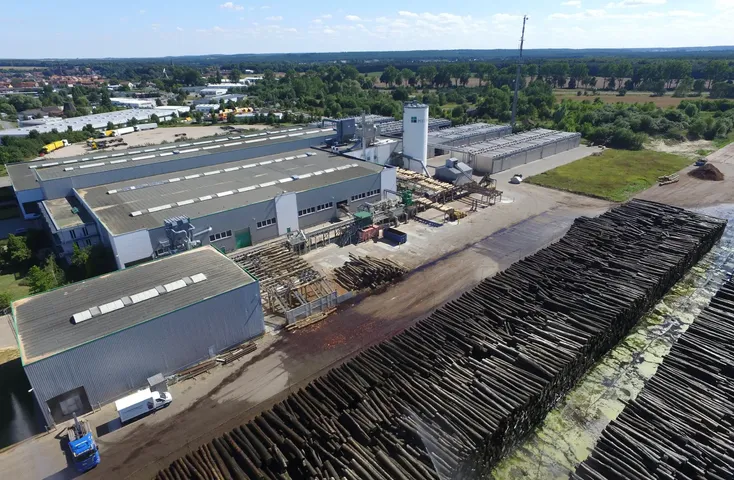
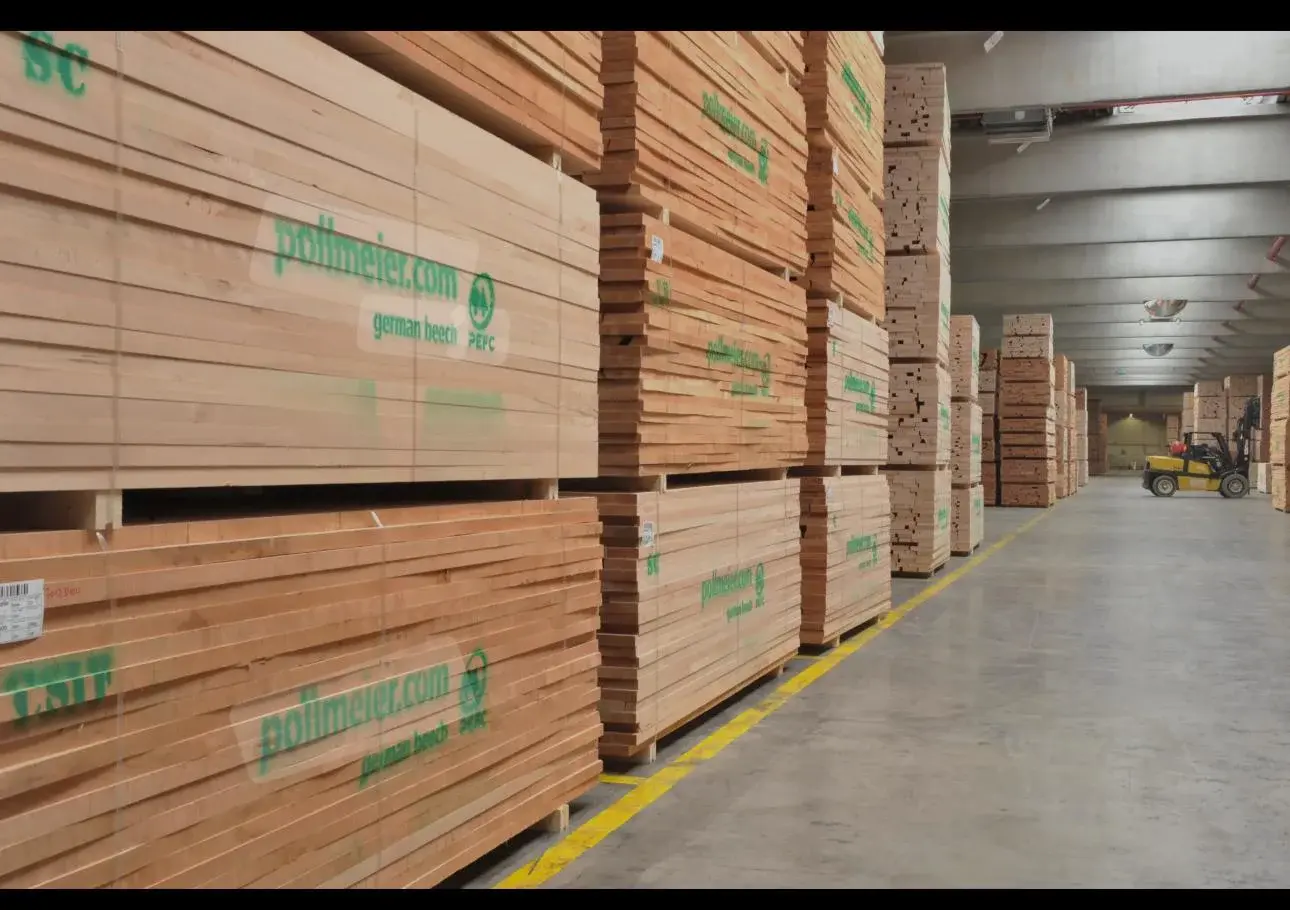
The German timber processing giant, Pollmeier, has announced an ambitious initiative that will see the company significantly expand in Eastern Europe. This comes through the plan to build two new factories in Romania, in Deva and Reci, a strategic move that could transform the dynamics of the local timber processing industry. With a solid reputation and extensive expertise in beech wood processing, Pollmeier aims to leverage regional advantages to strengthen its global production network.
Pollmeier's investments are seen as a major driver of economic growth for the regions involved. In areas like Deva and Reci, the job market could benefit significantly from the emergence of these two new plants. It is estimated that their development will create hundreds of direct jobs, while the indirect impact could also be felt by local suppliers and businesses that may become part of Pollmeier's expanded supply chain.
However, economic analysts warn of potential challenges for domestic companies, which may struggle to compete with the production capacity and advanced technology of the German giant's new facilities. Additionally, this investment could put pressure on available timber resources, disrupting the balance of the local market.
On the other hand, the economic development and increase in local tax revenues are not to be overlooked. In a context of global economic instability, the injection of capital and stability provided by projects of this magnitude are extremely valuable for regions affected by economic stagnation.
Another positive aspect is the enhancement of international economic collaboration, with Romania benefiting from increased trade flows and access to globally recognized German expertise.
However, these advantages do not come without challenges. Ensuring sustainable development that protects natural resources and maintains a fair competitive environment is essential. Therefore, the involvement of the government and local authorities is necessary to monitor and facilitate a transparent operational framework and constructive collaboration between local and international players.
Through all these dynamics, Pollmeier intends to expand its influence, not only as a leader in beech wood processing but also as a responsible catalyst for economic development in the communities where it operates.