

yesterday at 12:29
,Germany
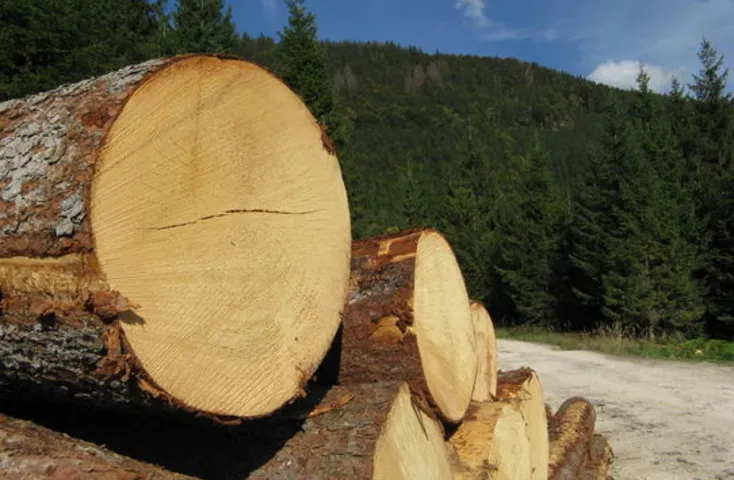
In recent months, the timber market has shown remarkable momentum, characterized particularly by rising prices for roundwood. As early as summer, prices were slightly increased, which has since proven to be a signal of steadily growing demand. Above all, the sawmill industry is demonstrating a strong need for roundwood, leading to price adjustments originally planned for the fourth quarter being brought forward.
At the beginning of September, prices for spruce sawmill roundwood rose again by about five euros per cubic meter. This increase is seen by experts as a strategic incentive to encourage forest owners not to delay their harvesting plans. Early planning and harvesting of timber could help avoid delays in transportation and processing, ultimately creating a win-win situation for both suppliers and buyers.
The advantage of an early timber harvest is that no delays in transportation and processing are expected.
Another element of this dynamic is the availability of service providers for timber harvesting. Although rising prices often lead to increased demand for services in this sector, capacity bottlenecks are currently unlikely. This means that those who wish to have their harvest carried out by external service providers can rely on stable and dependable support.
Among the prominent products on the market is the leading assortment of spruce, quality class B, Media 2b+. This currently has a price range of 114 to 120 euros per cubic meter (net, free on road), which, despite strong demand, demonstrates remarkable stability in pricing. However, a slightly wider price range can also be observed here, as some timber purchases are still being settled at third-quarter prices.
The current price trend and the relatively stable service sector in timber harvesting offer forest owners and the entire chain of stakeholders the opportunity to carry out planned activities in line with market needs. However, this should be done with a forward-looking approach that takes into account both market developments and demand fluctuations to secure long-term competitive advantages.