Mondragón Opens in Álava the Largest Sawmill in Southern Europe to Lead the European Forest Industry
yesterday at 12:58
,Spain
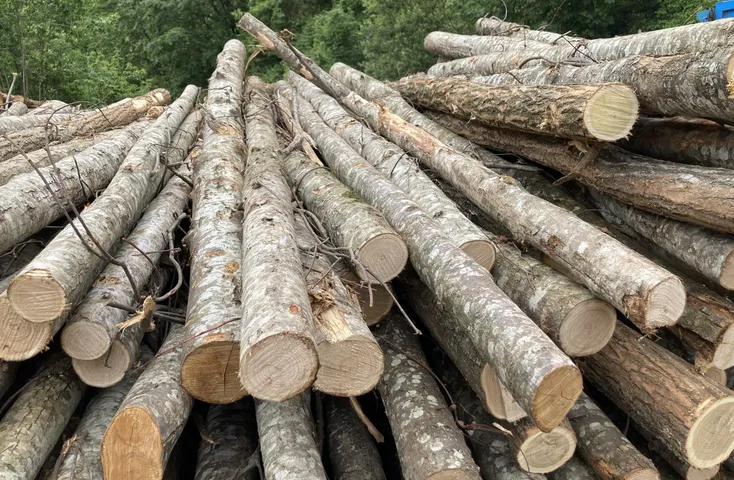
The wood supply chain in Italy is facing a series of complex challenges, which are clearly evident from the key aspects of the current situation. One of the most pressing issues is the strong dependence on imports. In fact, 80% of the timber needs of Italian sawmills are met through imports from abroad. This dependence not only makes the sector vulnerable to fluctuations in the global market but could also worsen in the short and medium term, exacerbated by an increasingly competitive and unstable international landscape.
Italy is having to contend with growing international competition. Traditional trading partners, such as Germany and Austria, are reducing their exports to our country, preferring to direct timber sales to more promising markets like the United States, Asia, and North Africa. This shift in trade routes represents an additional challenge for Italian companies in the wood supply chain, which are seeing their procurement options diminish. The direct consequence is an increase in the prices of semi-finished products, a trend that benefits foreign companies with access to lower procurement costs.
The reduction in timber flow to Italy forces companies to seek new supply sources or bear higher costs. In this context, it becomes crucial for the Italian sector to develop more sustainable and diversified procurement policies to avoid being overly exposed to international market dynamics.
Beyond competition, another significant challenge is the scarcity of resources. With the rising prices of raw materials, the Italian sawmill sector risks losing competitiveness on the international stage. However, this negative situation could turn into an opportunity to encourage the use of national resources and promote more sustainable and efficient forest management.
Despite Italy boasting a significant forest heritage of 12 million hectares, its exploitation remains at minimal levels. Only a small portion of Italian forest resources is currently utilized, making the usage rate one of the lowest in Europe. With just 24% of the annual growth being harvested, there is ample room for improvement that could drastically reduce dependence on imports.
An increase in the usage rate of national forest resources would require targeted policies to encourage sustainable timber harvesting, as well as investments in technology and research to enhance the efficiency and sustainability of the production process. Raising awareness of the importance of forest resources could help create a more balanced system that values the forest heritage without compromising the ecosystem.
The wood sector in Italy has the opportunity to address some of its major challenges through more careful and efficient management of its own resources. This would not only reduce dependence on foreign supplies but also improve its competitive position in the global market, potentially turning current challenges into future opportunities. Tackling these issues with innovative and sustainable strategies could ensure a more stable and prosperous future for the wood supply chain in Italy.