1 Jun 2026
,France
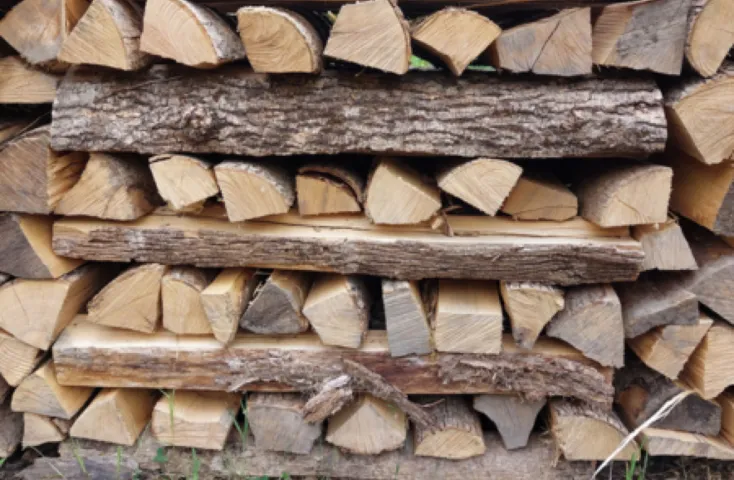
The wood market in France is showing impressive resilience in a delicate economic context, marked by the slowdown of several sectors, including construction. This strength is rooted in various dynamics that highlight the strategic and multifaceted importance of this material.
In an unstable economic climate, the wood sector in France surprisingly manages to maintain stable prices, setting itself apart from other markets traditionally affected by unfavorable conditions. Amid global market fluctuations and economic uncertainties, wood appears to offer valuable stability, supported by consistent demand and growing interest in sustainable and renewable materials.
This resilience can be explained by several factors. On one hand, there is heightened consumer awareness of environmentally friendly materials, and on the other, government policies that encourage the use of wood in construction play a significant role. As a material with a low carbon footprint, wood represents an ecological alternative that increasingly appeals to builders and developers.
Moreover, the less pronounced price fluctuations of wood compared to other materials like steel or concrete enhance its attractiveness. Indeed, the rising energy costs for producing these traditional materials have helped reposition wood as not only a sustainable option but also an economically viable one.
Wood holds undeniable strategic importance in France, particularly in terms of carbon sequestration. French forests, which cover around 32% of the national territory, play a key role in combating climate change by capturing and storing atmospheric carbon.
Sustainable forest management not only preserves this ecological asset but also enables wood to be mobilized as a renewable resource for multiple uses. Wood is thus at the heart of a comprehensive approach to sustainable development, replacing more polluting and non-renewable materials in various sectors.
The promotion of wood in sustainable construction and landscaping aligns with France's climate goals and supports efforts toward a greener economy. This pioneering role in the ecological transition gives wood an added value that goes far beyond its mere utility as a construction material.
In parallel, wood contributes to diversifying the French rural economy, strengthening local economic fabric while offering solutions to contemporary environmental challenges.
In conclusion, despite global economic challenges, the wood sector in France continues to demonstrate its solidity and strategic value. It plays a crucial role not only economically but also environmentally, as a driver of innovation and sustainable development.