
yesterday at 12:29
,Germany
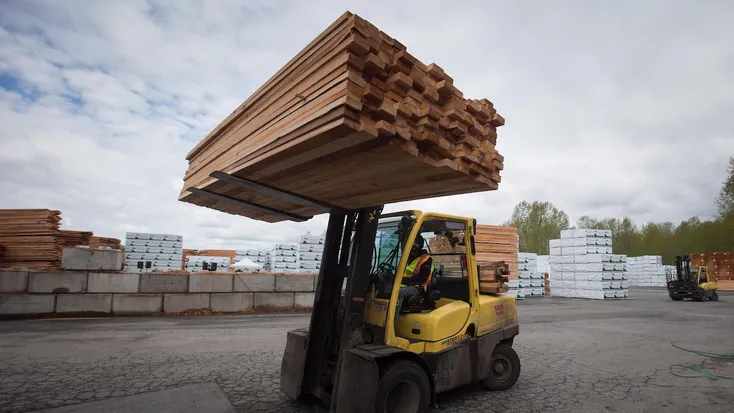
The recent announcements of surcharges amounting to 20% on softwood lumber imports continue to provoke strong reactions on both sides of the Canada-U.S. border. These tariff measures, perceived as protectionist, raise concerns about the future of trade relations between the two North American nations. The Canadian government has strongly condemned this decision, calling it "protectionist" and "unjustified," highlighting the complexity of the trade agreements that bind the two countries.
Many experts agree that these measures could lead to increased trade tensions, potentially causing serious harm to the Canadian forestry industry in the long term. The imposition of these tariffs could result in a loss of competitiveness for Canadian products in the U.S. market, leading to a significant drop in exports. This situation exacerbates a trend of inward-looking trade policies, not only in North America but also globally, where protectionism is gaining ground.
In the face of these new tariffs, the Canadian softwood lumber industry finds itself in a precarious position. The immediate risk is a decline in the profitability of exports to the United States, the primary market for Canadian lumber. This reduced profitability could force producers to cut back on production, potentially leading to significant job losses in the sector. The situation is pushing producers to explore alternative avenues, such as intensifying efforts to diversify their export markets. By seeking new outlets, the Canadian industry could reduce its dependence on the U.S. market, representing a major and necessary strategic shift in the current context.
Market diversification poses a significant challenge for an industry historically oriented southward. It requires not only logistical and financial adjustments but also the adaptation of products to the requirements and regulations of other regions, which could be complex and costly. However, this diversification strategy is seen by many analysts as a viable path to ensure the resilience and sustainability of the Canadian forestry industry in a changing global market.
Alongside economic concerns, this decision brings renewed attention to the debate surrounding the sustainability of forestry practices. Environmental issues are increasingly central to discussions about the lumber industry. Environmentalists and advocates call for more eco-responsible forest management, arguing that current policies must incorporate long-term environmental considerations.
Ultimately, this situation serves as a textbook case of the contemporary challenges associated with international trade in a context marked by a resurgence of protectionism. As countries seek to shield their local industries from foreign competition, industrial players are forced to adapt to constantly evolving market conditions.