yesterday at 12:29
,Germany
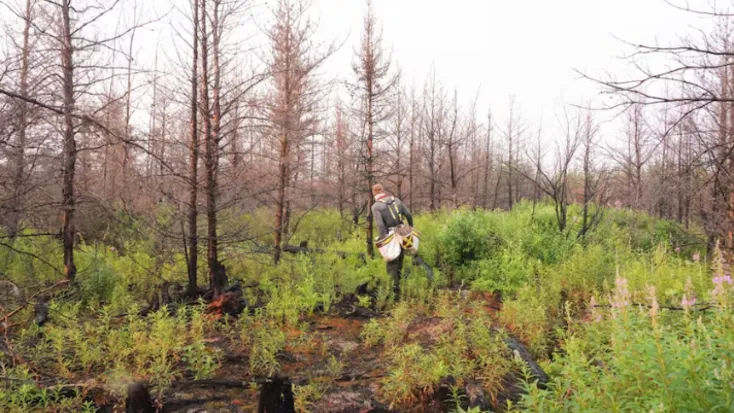
Canada is confronting a new reality: longer and more intense wildfire seasons directly linked to climate change. Experts warn that this is not a temporary fluctuation but a troubling pattern that is becoming increasingly evident. During the 117th annual conference of the Canadian Institute of Forestry in Thunder Bay, this urgent issue dominated discussions among hundreds of forestry professionals, researchers, Indigenous leaders, and policymakers.
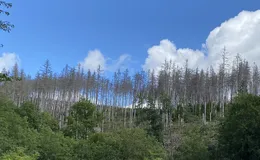
For decades, Canadian forests have been known for their resilience to extreme weather. Today, however, they are drying out faster than ever — a direct consequence of rising global temperatures. Experts at the conference emphasized that heat and drought sharply reduce the moisture levels in forest fuels, dramatically increasing the risk of fires that can spread with devastating speed.
Researchers note that even a small increase in temperature can significantly lower the moisture content of forest fuels. Patrick James, an associate professor at the University of Toronto, explains:
A slight increase in temperature leads to a very significant reduction in the moisture content of fuel, making it much more flammable.
This trend adds growing pressure on Canada’s natural resources and on the people whose livelihoods depend on them.
Conference discussions underscored the urgent need to adapt forest management to new climate realities. Reassessing existing strategies and developing innovative approaches to mitigate wildfire impacts have become essential. Participants agreed that close collaboration among Indigenous communities, policymakers, and scientists is key to building sustainable solutions.
To create effective measures, a deeper understanding of climate dynamics is required. This includes enhanced temperature monitoring, continuous assessment of soil and fuel moisture levels, and more accurate climate forecasting. With these tools, authorities can better predict high-risk fire periods and plan preventive actions in advance.
In conclusion, as climate change continues to reshape Canada’s landscapes, forest management strategies must evolve—not only to safeguard natural ecosystems but also to protect the communities living beside them. Through coordinated efforts, forestry professionals, researchers, and policymakers can address today’s challenges while preparing for those that lie ahead.