yesterday at 12:29
,Germany
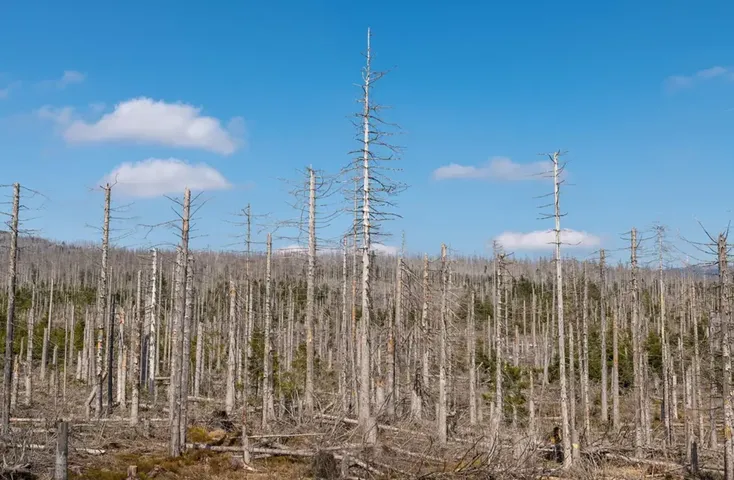
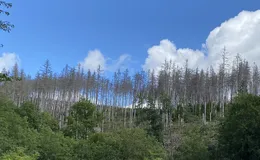
In Latvia, concerns about the future of forests have been voiced for decades, with the public chanting slogans like "The whole country will become a clear-cut" or "Latvia will soon turn into a desert." These concerns are especially relevant now, as debates over amendments to the Forest Law have taken center stage. This is an issue that affects not only foresters but the entire nation, considering the crucial role forests play in climate regulation and maintaining biodiversity.
New discussions and concerns about lasting impacts on Latvia's ecosystems have been triggered by the amendments to the Forest Law proposed by the Ministry of Agriculture, which aim to lower the logging age for main felling. Society is divided between those who support and those who oppose these changes. Supporters of the amendments believe that a modernized approach to forest management could promote economic development, while opponents argue that the long-term consequences for the environment and ecosystems are not worth it. Although these amendments have been paused, this is likely only a temporary solution, and the issue remains pressing.
More than 20 organizations oppose the Ministry of Agriculture's proposals, emphasizing that more intensive forest management and reducing the logging age would further fragment and threaten already fragile ecosystems. These organizations, which include various environmental protection and civil society representatives, argue that more intensive forest exploitation is irreversible if a balanced approach is not followed.
Environmental advocates point out that increased deforestation will reduce forests' ability to sequester and store carbon, which contradicts Latvia's commitments. They also remind us that forests are a vital tool in the fight against climate change, and weakening them could lead to irreversible changes. At a time when global attention is focused on climate issues, Latvia cannot afford to ignore its forests as a natural resource and healing element for climate regulation.
Regarding the related concerns arising from these amendments, debates continue about how long this temporary state might last and what steps would be necessary to achieve a sustainable solution. Latvia stands at a crossroads, and this is an opportunity to demonstrate its commitment to developing a forest policy that balances the needs of economic development with the essential role of environmental preservation.