Mondragón Opens in Álava the Largest Sawmill in Southern Europe to Lead the European Forest Industry
yesterday at 12:58
,Spain
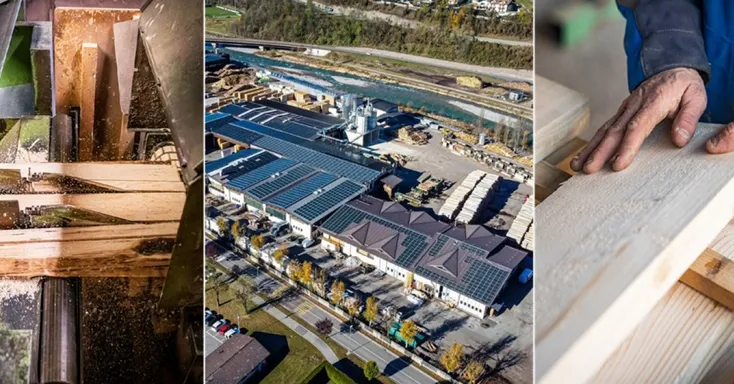
The Sawmill of the Magnificent Community of Fiemme, located in the heart of Trentino, has recently made headlines with the introduction of a pioneering initiative in the wood industry. This sawmill is, in fact, the first in Italy to provide its customers with a "green passport," a sustainability certificate that accompanies every wood purchase. This document not only certifies the sustainable origin and processing of the wood but also represents a model of sustainable innovation that could be replicated across the country.
The green passport is an integral part of a broader effort to promote sustainable practices in the forestry sector. Through Life Cycle Assessment (LCA), every product sold is accompanied by a certificate that measures the amount of wood purchased and its environmental impact in terms of CO₂ stored or emitted. This measurement system not only tracks ecological impact but also enhances environmental accountability among consumers by informing them about the consequences of their purchasing choices.
The green passport project was made possible through a partnership with the University of Trento, which conducted an in-depth scientific study on the life cycle of wood. From seed germination to the production of the final product, the university analyzed every stage of the production process to ensure that the methods used meet the highest sustainability standards. This study not only provides scientific backing for the sawmill’s initiative but also offers a knowledge base that can be utilized for future research and improvements in the sector.
The importance of academic collaboration in this context cannot be overstated. It enables a scientific and innovative approach to sustainable development, offering assurances about the validity and effectiveness of the adopted methodologies. Additionally, it strengthens the relationship between academia and industry, aiming to create a synergy capable of effectively addressing the environmental challenges of our time.
In addition to its informational contribution, the University of Trento played a crucial role in implementing a measurement system that ensures complete transparency regarding the environmental impact of the products sold by the sawmill. This system allows for the monitoring of every individual product, facilitating traceability and ensuring that each step of the process adheres to established sustainability criteria.
In a world where transparency and traceability are increasingly essential, the sustainability certificate provided by the sawmill serves as a powerful communication tool with customers. The document offers detailed information about the type of wood, the purchase date, and the wood species, as well as specifying whether the timber has received FSC certification, globally recognized as a symbol of responsible forest management. This represents a further step toward more ethical and responsible business practices, while also promoting a positive impact on forests and the environment.