Mondragón Opens in Álava the Largest Sawmill in Southern Europe to Lead the European Forest Industry
yesterday at 12:58
,Spain
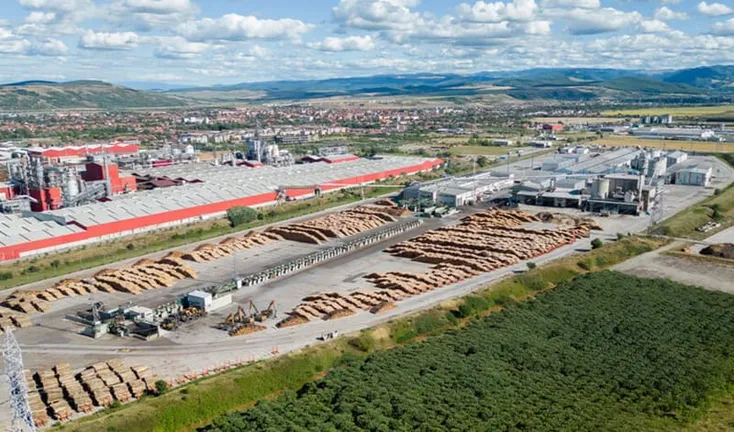
In a significant move within the European wood processing sector, the Romanian Competition Council has green-lighted the acquisition of ZG Timber Sebes SRL by Kronospan Holdings South Limited. This latest development marks a continuation of the changes within the timber industry in Romania and reflects broader trends in market consolidations.
The acquisition comes at a time when the timber industry, pivotal to both local and international markets, is undergoing consolidation and strategic realignment. By authorizing this transaction, the Romanian Competition Council has affirmed its stance that the deal does not present any substantial hindrances to competition within the Romanian market. This assessment is crucial as it underscores the regulatory body’s responsibility in maintaining market fairness while fostering economic growth.
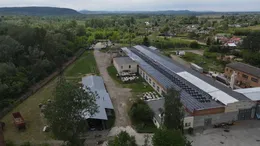
ZG Timber Sebes SRL, firmly rooted in the Romanian landscape, operates notable production facilities geared toward lumber and pellet manufacture in Sebeș, Alba County. These facilities are integral to its operations and serve as key supply points in the local and national markets. The company has attracted attention after its acquisition by the Ziegler Group, an event that unfolded earlier in 2023 following its purchase from HS Timber, a company formerly recognized under the name Schweighofer.
Kronospan Holdings South Limited, on the other hand, is a formidable presence in the manufacturing and distribution of wood-based panels. The company’s offerings, including particle boards, medium-density fiberboard (MDF), oriented strand boards (OSB), and melamine-coated panels, are staples in the industry. Kronospan’s strategic expertise and established market footprint render it a major influencer within the sector, not only in Romania but across broader markets.
The acquisition aligns with Kronospan's strategy of expanding its operational base and enhancing its competitive market position. By integrating ZG Timber’s production capacities, Kronospan is poised to bolster its supply chain and product offerings, paving the way for enhanced service provision and expanded market reach.
The Romanian Competition Council's decision is predicated upon a comprehensive analysis of the market. Their conclusion that the acquisition will not disrupt competitive dynamics is significant. The wood processing sector is critical to Romania’s economy, not only as a revenue generator but also as an employment reservoir. Sustained competition ensures innovation, quality improvements, and pricing structures beneficial to consumers and businesses alike.
Historical context further enriches the narrative around this acquisition. The facility at Sebeș, associated with past controversies during the Schweighofer era, is now under the stewardship of entities evidently committed to dynamic market engagement and responsible business practices. The Ziegler Group's short but impactful tenure heralds a chapter of elevated operational standards and consolidation, a legacy that Kronospan intends to continue.
This transition not only reflects shifts in ownership but also exemplifies the evolving regulatory landscape around mergers and acquisitions in Romania. It highlights the equilibrium sought between fostering industry growth and ensuring market competitiveness, essential for overall economic health. The role of the Competition Council in this regard is pivotal, as its decisions shape sectorial trends and influence investment environments.