
yesterday at 12:29
,Germany
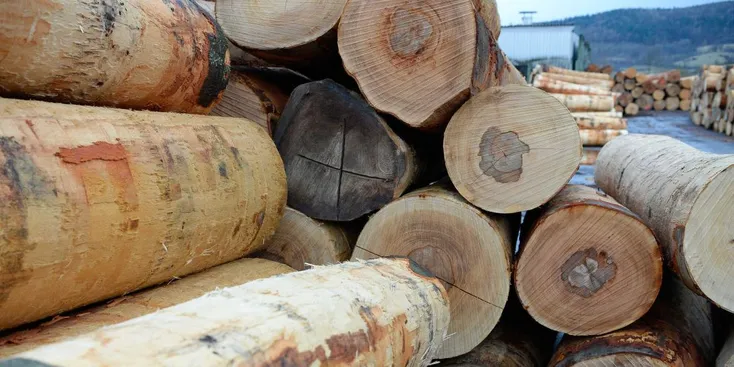
A crisis is brewing in the German forestry and timber industry. The country's sawmills are facing a serious shortage of raw materials, forcing some businesses to consider short-time work. After a labor-intensive year in which the German sawmill industry processed large quantities of damaged wood, timber stocks are now shrinking dramatically. This bottleneck is causing unrest and sparking heated debates between forest owners, foresters, and sawmills.
A sawmill owner from Kronach in Franconia reports that, despite intensive efforts to procure enough roundwood, he will have to switch to short-time work in November. This unexpected turn of events raises questions about the recovery of his business and sheds light on the broader challenges within the industry. The shortage of raw materials has long been termed a "raw material crisis" in professional circles, bringing a new dynamic to the relationships among players in the timber market.
In the public sphere, and especially in the comment sections under a BR24 video on the situation, the dissatisfaction among forest owners and foresters is palpable. Many of them express sharp criticism of the sawmills, accusing them of exploiting the situation for their own benefit—a charge that is pointedly articulated with the term "rip-off." The disappointment and frustration over the current situation are understandable; after all, forest farmers and foresters rely on fair and stable trade relationships to secure their livelihoods.
These conflicts raise fundamental questions about the structure of supply and demand in the timber industry sector. While sawmills struggle with declining availability of raw timber, forest owners and foresters appear dissatisfied with the market mechanisms that come into play after massive waves of damaged wood. Dialogic exchange between the stakeholder groups is crucial to developing sustainable solutions.
Experts are calling for swift action and a strategic rethink in timber industry policy. A coordinated approach could help strike a balance between the short-term operational challenges of sawmills and the long-term interests of forest owners. This includes initiatives to promote more sustainable timber management as well as investments in technologies that could reduce pressure on existing resources.
In conclusion, there is hope that positive developments may also emerge from the current crisis—such as increased awareness of the importance of sustainable practices throughout the timber industry system. It remains to be seen how the situation will evolve and whether a renewed surge in damaged wood could ease the tension. The future of German sawmills largely depends on wise political decisions and a renewed understanding and trust among all parties involved.