Mondragón Opens in Álava the Largest Sawmill in Southern Europe to Lead the European Forest Industry
yesterday at 12:58
,Spain
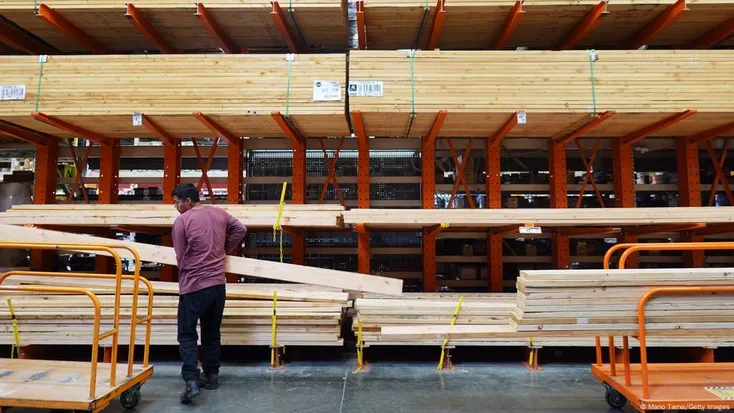
The global timber industry has been navigating a series of complex challenges that have left many stakeholders, particularly in Germany, in a precarious position. For several years, natural adversities such as storms, droughts, and pests have ravaged forest lands, substantially affecting timber supplies. These ecological disruptions have compounded existing economic stressors with the construction sector's downturn dealing a powerful blow to sawmills across the country. As a result, earnings in Germany's sawmills have plummeted by an estimated 15 to 30 percent over the past two years, illustrating the severity of the situation.
Yet, amidst the difficulties, a glimmer of hope has emerged. The recent policy shifts by the German government signal potential revitalization prospects for the domestic timber market. Key stakeholders within the industry are cautiously optimistic about these economic interventions, which are designed to stabilize and eventually boost the marketplace. Such optimism is not unfounded; the government’s commitment to revamp economic strategies has brought renewed confidence among traders and forest owners alike.
The anticipation of more favorable economic conditions comes as a much-needed relief for Germany's beleaguered timber industry. Economic forecasts suggest an upswing in the market climate, bolstered by governmental promises of economic revitalization. Not only do these efforts aim to shore up the financial resilience of key industry players, but they also signal positive growth trajectories for the timber sector. The expectations of new fiscal measures and regulatory reforms are contributing to a cautiously optimistic outlook, with stakeholders eager to capitalize on the potential recovery.
The intervention is pivotal, as it is seen as a catalyst that could enhance the sector’s resilience against unpredictabilities such as adverse weather and market shifts. Given the multifaceted approach of the current administration, encompassing both environmental and economic reforms, the industry is hopeful that these moves could align forest management practices with sustainable economic development. This optimism isn’t just wishful thinking; it reflects a growing belief in the long-term stability and profitability of the German timber industry under revamped policies.
Additionally, the government's focus on sustainable forestry practices promises to create a durable equilibrium between ecological stewardship and economic growth. By drawing on innovative strategies and fostering a conducive business environment, industry players expect to navigate around existing challenges more effectively. As such, the blend of policy interventions and strategic foresight may very well chart a course for recovery, boosting confidence across the sector.
While there remains uncertainty regarding the full impact of these policies, industry voices are united in their anticipation of positive change, grounded in the belief that proactive policy interventions will eventually usher in a period of growth and recovery.
In addition to these domestic developments, international shifts continue to exert an influence on the timber market's recovery. The fluctuations in global trade dynamics, influenced by international leaders and policy decisions, are slowly beginning to align in favor of the German market. The interplay of these factors is critical in setting a new course and providing further impetus for recovery.
As global timber prices have seen a promising uptick, the financial outlook for the industry is poised to meet previous challenges head-on. Also, the successful spring logging season has boosted confidence, creating a landscape where financial losses may find viable reprieve. As Germany’s timber industry cautiously anticipates its revival, stakeholder collaboration and government support remain vital in steering the sector towards stability and prosperity. While uncertainties remain, concerted efforts towards sustainable economic growth may yet fully mitigate past adversities for a brighter future.