
yesterday at 12:29
,Germany
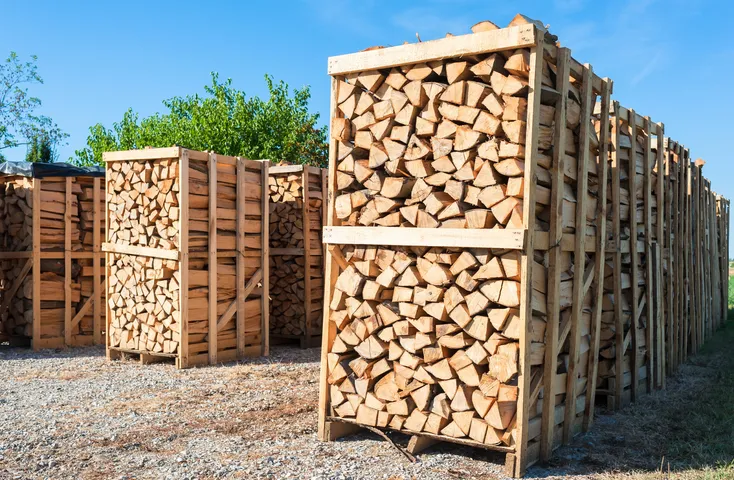
Although sustainable management of domestic forests theoretically ensures long-term firewood supply, the cost of heating is becoming an increasingly heavy financial burden for households.
Firewood continues to play a significant role in the energy consumption of Hungarian households, accounting for nearly 30 percent of residential use. Therefore, the rise in prices is not merely a market phenomenon but directly impacts the winter expenses of families who heat with wood—often those living in smaller settlements with lower incomes.
The official policy stance is that the foundations of supply are secure. Hungarian forests produce approximately 13 million cubic meters of wood growth annually, while harvesting accounts for about half of this amount. This means that forest regeneration is guaranteed in the long term, and firewood predominantly comes from sustainable forest management.
However, this raises the question: if harvesting does not exceed growth, what explains the dramatic rise in consumer prices?
According to government plans, Hungary's forest area will continue to expand. Currently, 24.3 percent of the country's territory is covered by forests, a proportion they aim to increase to 27 percent by 2030. The goal is to ensure that firewood remains an important and sustainable energy source in the future.
At the same time, however, the price of firewood has risen significantly over the past decade and a half. While around 2010 the average price was approximately 2,500 HUF per 100 kg, by 2019 it had increased to 3,700–4,000 HUF per 100 kg. The most significant jump occurred after 2021: in 2022, the price reached 6,600 HUF per 100 kg, and in 2023 it climbed to nearly 8,400 HUF per 100 kg, representing more than a threefold increase compared to 2010 levels.
Although a moderate price decrease is expected by 2025, firewood prices remain extremely high and may continue to pose a persistent burden for households that rely on wood for heating.
Overall, there is a noticeable tension between the supply ensured by sustainable forest management and the consumer prices burdening the population.