
yesterday at 12:29
,Germany
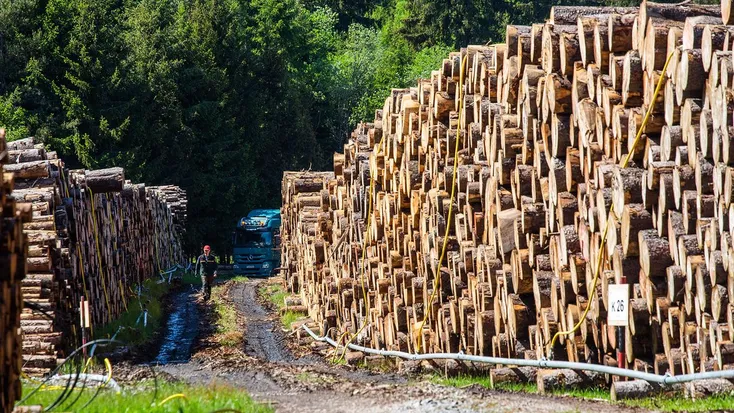
The German timber market is currently experiencing an interesting and partly positive development, influenced by various international and local factors. In particular, the export of construction timber to the USA has increased in recent years, which is partly due to the tariff dispute between the USA and Canada. As a result, Germany has established itself as the second most important exporter and benefits from the increased export volume.
Thanks to these developments, both forest owners and the sawmill industry are looking optimistically towards the future. The current demand from the USA is helping to overcome the economic challenges of recent years, which were marked by storms, drought, and pest infestations.
In recent years, exports of construction timber from Germany to the USA have steadily increased. This trend is largely supported by the trade conflicts between the USA and Canada, where tariffs and import restrictions have made Canadian timber more expensive and less accessible. German forest owners and the timber processing industry are taking advantage of this opportunity to position themselves more strongly in the American market. The growth potential due to increased demand not only opens up new business opportunities but also the chance to expand and modernize their own production.
While the trade conflict is disadvantageous for Canada, it creates opportunities for Germany to expand its market share in the USA. The lucrative business with the USA also brings the advantage of relieving pressure on the domestic market. The revenues from exports help forest owners invest in sustainable forestry and mitigate the impacts of environmental issues.
Germany's role in the international timber market has thus strengthened, and export figures promise continued growth, provided global economic conditions remain stable.
In Germany itself, the timber industry is also influenced by other positive factors. Forecasts for 2025 are promising and fuel hope that the market can permanently move out of the loss zone, especially after many forest owners were heavily burdened by climatic extreme events.
German forest owners have overcome various challenges in recent years. Extreme weather conditions such as storms and heatwaves, combined with drought, posed significant problems for forestry. Pests like the bark beetle further exacerbated the situation and caused substantial economic losses. Nevertheless, a trend of recovery is currently evident. Forest owners like forester Florian Koch express satisfaction with this year's spring harvest, which benefited from favorable weather conditions and a stable sales market.
The sawmill industry also shares this optimism. Entrepreneurs like Gangolf Hosenfeld point to a strong order situation and anticipate further growth opportunities in the near future. Thanks to increased international demand and successful adaptation to challenging market conditions, new investments can be made that will benefit the industry in the long term.
Overall, the mood in the German timber market appears to be improving. It remains to be seen how the market will respond to future global changes, but the conditions for further growth are in place. Forest owners and the timber processing industry remain confident in their ability to overcome additional challenges and conclude 2025 with positive figures. The outlook is clear: with international opportunities instead of setbacks, the German forestry sector can look forward to a promising future.