Mondragón Opens in Álava the Largest Sawmill in Southern Europe to Lead the European Forest Industry
yesterday at 12:58
,Spain
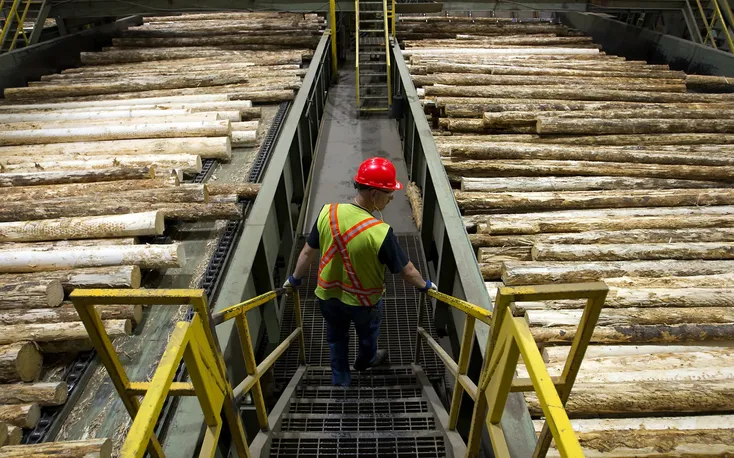
West Fraser Timber Co. has announced that it will close its 100 Mile House mill by the end of the year, citing the inability to secure sufficient quantities of economically viable lumber locally or from other regions. The move is expected to affect more than 165 workers, further exacerbating the situation in a community already suffering from cuts in the forestry sector.
British Columbia’s forestry industry has been facing a number of challenges in recent years. U.S. tariffs on Canadian softwood lumber, a devastating beetle infestation and persistent wildfires have severely restricted the supply of lumber and reduced the competitiveness of companies. These factors have already led to the closure of several plants and the loss of thousands of jobs.
Some workers are questioning the decision. Sven Binker, a veteran of the forestry industry, said that local lumber supplies remain “sufficient” and suggested that “other factors may be influencing the company’s decision-making.” He warns that the closures highlight the industry’s fragility.
The closure announcement has intensified calls for support for the forest sector. Scientists and experts are calling for an extraordinary response to protect workers and keep forest operations viable. There is a growing need for collaboration between government and stakeholders to find sustainable solutions, including finding alternative markets, improving resource management and implementing new technologies.
Without decisive action, the challenges facing the forest sector could deepen, threatening livelihoods and undermining the socio-economic fabric of communities. The closure of the 100 Mile House mill serves as a reminder of the urgent need to address both the short- and long-term challenges facing British Columbia’s forest industry.