
yesterday at 12:29
,Germany
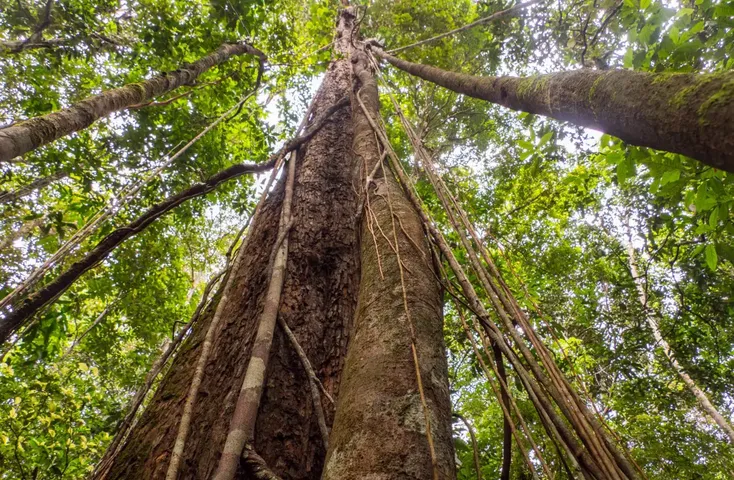
In a time when the world is increasingly confronted with the consequences of climate change, we cannot underestimate the importance of forests as allies in the fight against these changes. This is underscored by scientists who highlight the critical role that forest health plays in combating climate change and preserving biodiversity. Rainforests, such as the Amazon, function as the lungs of the earth and possess a remarkable capacity to store carbon dioxide, making them an essential part of our global efforts to counter global warming.
The focus of recent research is on the role of large trees in carbon storage. These trees can sequester significant amounts of carbon in their trunks, branches, and leaves, serving as a buffer against climate change. Researcher Adriane Esquivel-Muelbert explains that a better understanding of how large trees respond to changes in their environment can lead to more effective strategies for the management and conservation of tropical forests. This is crucial because these trees not only contribute to carbon storage but also play a significant role in supporting biodiversity by providing habitats for a wide range of animal and plant species.
In addition to recognizing the benefits of large trees, scientists stress the need to prevent further deforestation and destruction of natural habitats. These practices still pose a significant threat to the delicate balance in the Amazon, which in turn is vital for the global climate. Preserving these natural resources requires a coordinated international effort and policies that ensure sustainable forestry practices and the conservation of existing forests.
Despite concerns over biodiversity loss and habitat destruction, we must also focus on the potential vulnerabilities of other parts of the Amazon ecosystem. The robustness of the entire ecosystem must be sufficient to withstand the adverse effects of climate change while contributing to the overall health of the planet. This can only be achieved through targeted efforts aimed at ensuring the resilience of the entire forest system.
The researchers conclude their findings with an urgent call for global cooperation and commitment to protect the Amazon. Preserving these crucial forests is not just a local challenge; it is an international duty that demands our collective attention and action. International agreements and partnerships are essential to ensure that the Amazon, with its immense biodiversity and capacity to store carbon, remains a pillar in global efforts to combat the consequences of climate change.